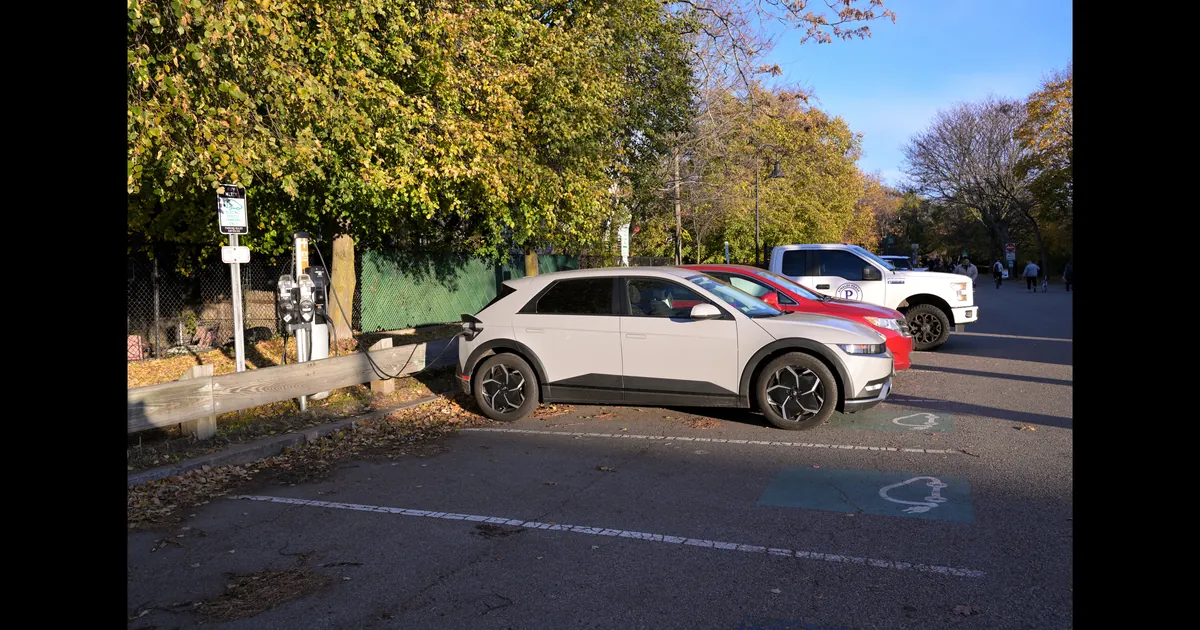
Best Non Tesla EV: 8 U.S. Alternatives to Tesla in 2026
Yes, you can buy a good non-Tesla EV in the U.S. in 2026, and the best one depends on the Tesla you would otherwise buy. The cheapest new one is the 2027 Chevrolet Bolt LT at $28,995 delivered, with 262 miles of range. The cheapest with more than 300 miles is the 2026 Nissan LEAF S+ at $31,565 delivered, and the best all-rounder is the 2026 Hyundai Ioniq 5 SE Long Range RWD at $39,100 delivered. This guide compares eight best non Tesla EV alternatives on the same basis: delivered price, which is MSRP, the maker’s list price before destination, plus the destination fee; EPA range for the exact trim named; and charging access, split into port, adapter and network access.
Every price below is the maker’s list price plus destination, with no federal tax credit subtracted, because the $7,500 federal credit is unavailable for vehicles acquired after September 30, 2025.
A note on terms. NACS is the Tesla-style plug, now the U.S. standard (SAE J3400). CCS1 is the older U.S. fast-charge plug. EPA is the U.S. government range test. MSRP is the maker’s list price before destination, and delivered price is MSRP plus destination, the number to compare.
The 8 picks at a glance
Each row uses the same trim for its price and its range. Cost per EPA mile compares trims, not whole model lines, so read it as a value check, not a ranking. The Tesla rows use the same basis, with prices verified November 14, 2026.
| Pick | Tesla it replaces | Delivered price | EPA range | Cost per EPA mile | Charge port | Adapter | Supercharger access |
|---|---|---|---|---|---|---|---|
| 2026 Nissan LEAF S+ | Model 3 | $31,565 | 303 mi | $104.17 | NACS native | None needed | Yes, direct |
| 2026 Hyundai Ioniq 5 SE Long Range RWD | Model Y | $39,100 | 318 mi | $122.96 | NACS native | CCS adapters included | Yes, direct |
| 2026 Kia EV6 Light Long Range RWD | Model Y | $42,745 | 319 mi | $134.00 | NACS native | CCS adapter sold separately | Yes, direct |
| 2027 Chevrolet Equinox EV LT FWD | Model Y | $36,795 | 319 mi | $115.34 | NACS native | None needed | Yes, direct |
| 2026 Ford Mustang Mach-E Select RWD | Model Y | $39,840 | 260 mi | $153.23 | CCS1 | Ford NACS DC adapter, $200, optional | Yes, with adapter |
| 2027 Chevrolet Blazer EV LT FWD | Model Y | $46,795 | 312 mi | $149.98 | NACS native | None needed | Yes, direct |
| 2027 Rivian R1T Premium Dual | Cybertruck | $81,885 | 329 mi | $248.89 | NACS native | CCS1 adapter included free | Yes, direct |
| 2026 BMW i4 eDrive40 RWD | Model 3 | $59,250 | 333 mi | $177.93 | CCS1 | BMW-approved adapter, about $175-180 | Yes, with adapter |
Tesla reference, same basis, prices verified November 14, 2026:
| Tesla | Delivered price | EPA range | Cost per EPA mile |
|---|---|---|---|
| Model 3 Standard RWD | $38,630 | 321 mi | $120.34 |
| Model Y Standard RWD | $41,630 | 321 mi | $129.69 |
| Model Y Premium RWD | $47,630 | Tesla lists 355 mi | Not given, see note below |
The Model Y Premium RWD has no cost-per-mile figure here. Tesla lists 355 miles for it, but the EPA record for the 2027 Model Y RWD shows 321 miles combined, so the two figures cannot be mixed. The delivered price is $47,630, and the 355-mile figure is Tesla’s own figure, not an EPA figure. EPA record: 2027 Model Y RWD, EPA 321 mi
One more Tesla fact: new Model 3 and Model Y cars ordered since late January 2026 include Traffic-Aware Cruise Control plus active safety features only. Autopilot was discontinued, Autosteer is not included, and Full Self-Driving (Supervised) is a $99-per-month subscription.
Which Tesla are you replacing?
Start here. If you are still deciding whether a Tesla itself is the right first car, read Is a Tesla a Good First Car? first.
Replacing a Model 3
You want a sedan or a low car. On price, the 2027 Chevrolet Bolt LT is the cheapest new alternative, at $28,995 delivered, $9,635 less than the Model 3 Standard RWD, with 262 miles of range. The 2026 Nissan LEAF S+ is the cheapest with more than 300 miles, at $31,565 delivered, $7,065 less than the Model 3 Standard RWD. On driving feel, the 2026 BMW i4 eDrive40 is the pick, with 333 miles of EPA range, but it costs $59,250 delivered. If range is the priority, the Lucid Air Pure is the premium stretch pick, with 420 miles of EPA range.
Replacing a Model Y
You want a family SUV. The default pick is the 2026 Hyundai Ioniq 5 SE Long Range RWD, at $39,100 delivered with 318 miles and the fastest charging in the mainstream set. The cheapest SUV pick is the 2027 Chevrolet Equinox EV LT, at $36,795 delivered with 319 miles. The sportier pick is the 2026 Kia EV6 Light Long Range RWD, at $42,745 delivered with 319 miles. The driver-focused pick is the 2026 Ford Mustang Mach-E Select, at $39,840 delivered, but with only 260 miles of EPA range and a $200 adapter to buy. The bigger pick is the 2027 Chevrolet Blazer EV LT, at $46,795 delivered, with towing up to 1,500 lb. For a wagon shape instead of an SUV, see our EV Wagon guide
Replacing a Cybertruck
You want a truck, and there is only one pick in this set: the 2027 Rivian R1T Premium Dual, at $81,885 delivered with 329 miles of EPA range and towing up to 11,000 lb. It is a real truck, with a bed, towing hardware and off-road ability. If a new R1T is out of reach, our Used EV Truck guide covers the used market.
1. 2026 Nissan LEAF S+: the cheapest 300-mile alternative
Trim and price: the S+ costs $29,990 before destination, plus a $1,575 destination fee, which is $31,565 delivered. It has a 75 kWh battery, 214 hp and front-wheel drive. EPA range is 303 miles combined, 325 miles in the city, for the S+ with 18-inch steel wheels and aero covers. The EPA record is here: 2026 LEAF, 18-inch steel wheels, EPA 303 mi . Nissan’s own page confirms the 303-mile figure: 2026 Nissan LEAF
Charging, three separate checks. Port: NACS native, so the car plugs straight into a Tesla Supercharger. Adapter: none needed for Superchargers, and a CCS adapter is included for CCS stations. Access: direct Supercharger access, with more than 27,500 Superchargers in the U.S., according to Nissan.
Why it is the pick: it is the cheapest alternative with more than 300 miles of EPA range, and the cheapest 300-mile car here with a native NACS port. The 2027 Chevrolet Bolt LT is cheaper still, at $28,995 delivered, but it has 262 miles of range; see the mentions section. Its cost per EPA mile, $104.17, is the lowest in this set, beating the Model 3 Standard RWD at $120.34. Do not confuse it with the old LEAF: the 2025 and earlier cars used CHAdeMO, while the redesigned 2026 LEAF uses NACS.
Who it suits: a city driver, a commuter, or a second car; for city use it also appears in our Best Electric Cars for City Driving guide . One honest drawback: 303 miles is the second-lowest range here, and its DC charging is not in the same league as the 800-volt cars. The higher trims cost more for less range, the SV+ at $34,230 with 288 miles and the Platinum+ at $38,990 with 259 miles.
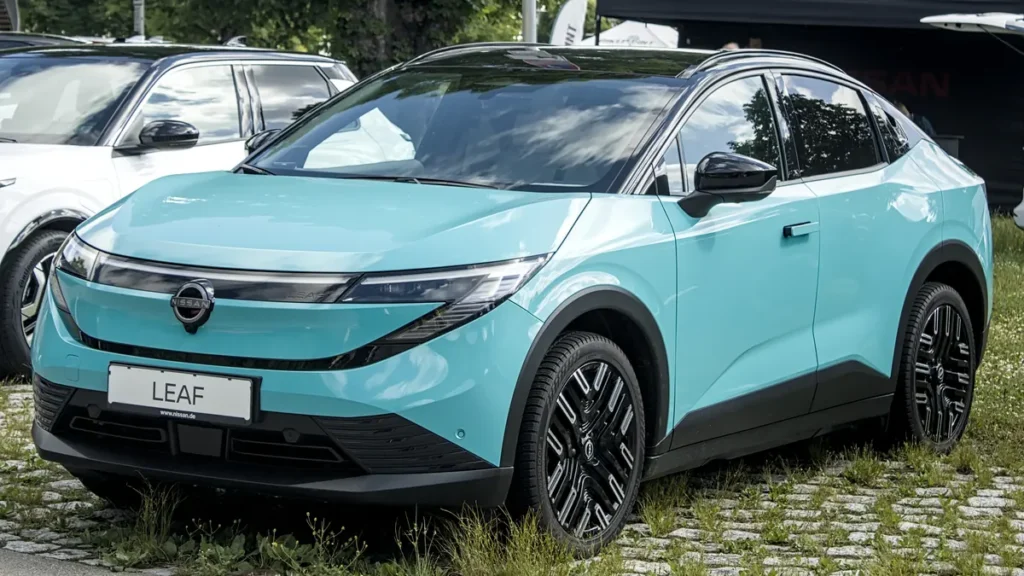
2. 2026 Hyundai Ioniq 5 SE Long Range RWD: the best Model Y alternative
Trim and price: the SE Long Range RWD costs $37,500 before destination, plus a $1,600 destination fee, which is $39,100 delivered. It has an 84 kWh battery and rear-wheel drive. EPA range is 318 miles combined. The EPA record is here: 2026 Ioniq 5 RWD Long Range, EPA 318 mi
Charging, three separate checks. Port: NACS native on the whole 2026 lineup, so it plugs straight into a Supercharger. Adapter: CCS adapters for AC and DC charging are included. Access: direct Supercharger access since March 2025.
Why it is the pick: it is the default Model Y alternative on value, range, charging speed and warranty. Its 800-volt architecture charges at up to about 350 kW on a capable DC charger, the fastest charging here, shared only with the EV6. At $39,100 delivered, it is $2,530 less than the Model Y Standard RWD at $41,630 delivered, for 3 fewer miles of EPA range.
Who it suits: a family SUV buyer who wants fast charging and a long warranty. One honest drawback: the Model Y still wins on range per dollar in some trims, and on charging network size, so test both before you decide. One warning: the complimentary NACS adapter offer required a purchase or lease on or before January 31, 2025, so a new purchase now falls outside the free window. Ask the dealer.
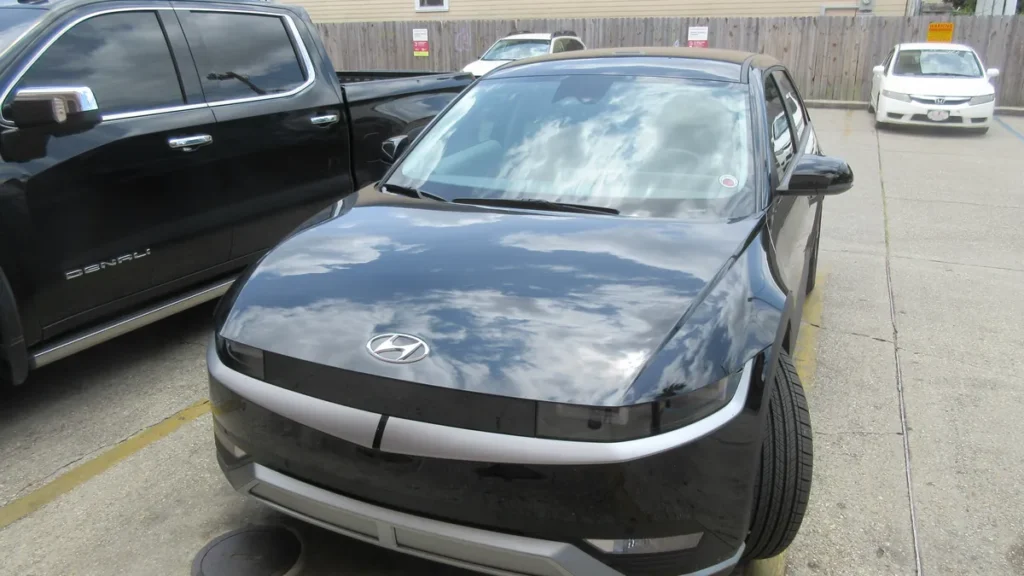
3. 2026 Kia EV6 Light Long Range RWD: the sportier Model Y alternative
Trim and price: the Light Long Range RWD costs $41,200 before destination, plus a $1,545 destination fee, which is $42,745 delivered. It has an 84 kWh battery and rear-wheel drive. EPA range is 319 miles combined. The EPA record is here: 2026 EV6 Long Range RWD, EPA 319 mi
Charging, three separate checks. Port: NACS native, from the 2025 refresh, so it plugs straight into a Supercharger. Adapter: none needed for Superchargers; the CCS adapter for non-Tesla DC stations is sold separately, so confirm with the dealer. Access: direct Supercharger access.
Why it is the pick: it is the sportier, sharper-driving twin of the Ioniq 5, with the same 800-volt charging hardware and the longest range in its price band, at 319 miles. DC fast charging runs at up to 350 kW, with 10 to 80 percent in about 18 minutes under Kia’s stated conditions.
Who it suits: a driver who wants the Ioniq 5 hardware with sharper handling and a lower roofline. One honest drawback: it costs $3,645 more delivered than the Ioniq 5 SE Long Range RWD, for 1 more mile of EPA range. Do not ask the dealer for an EV6 GT: the GT was dropped from the U.S. lineup, and Kia prices no GT trim for 2026.
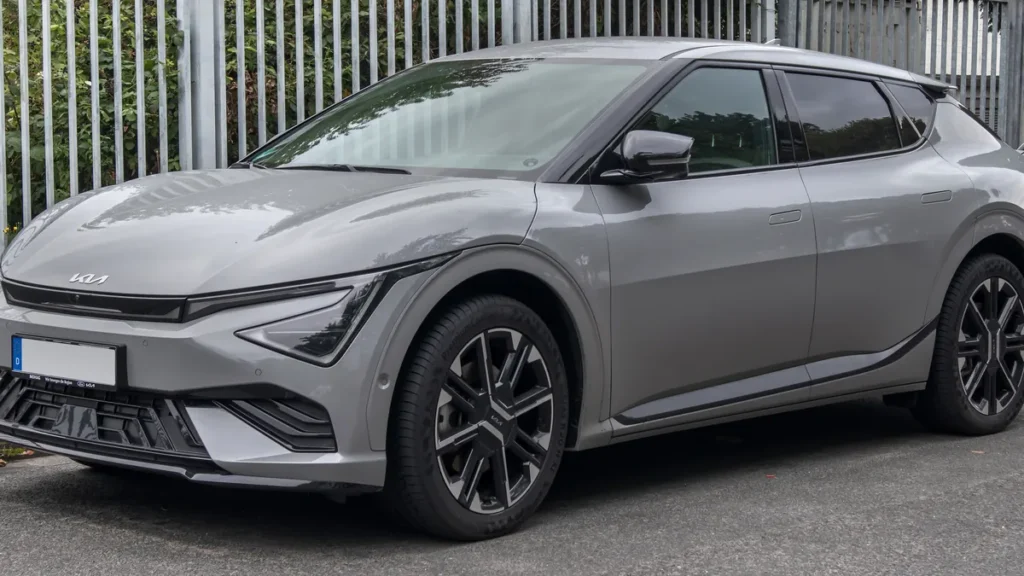
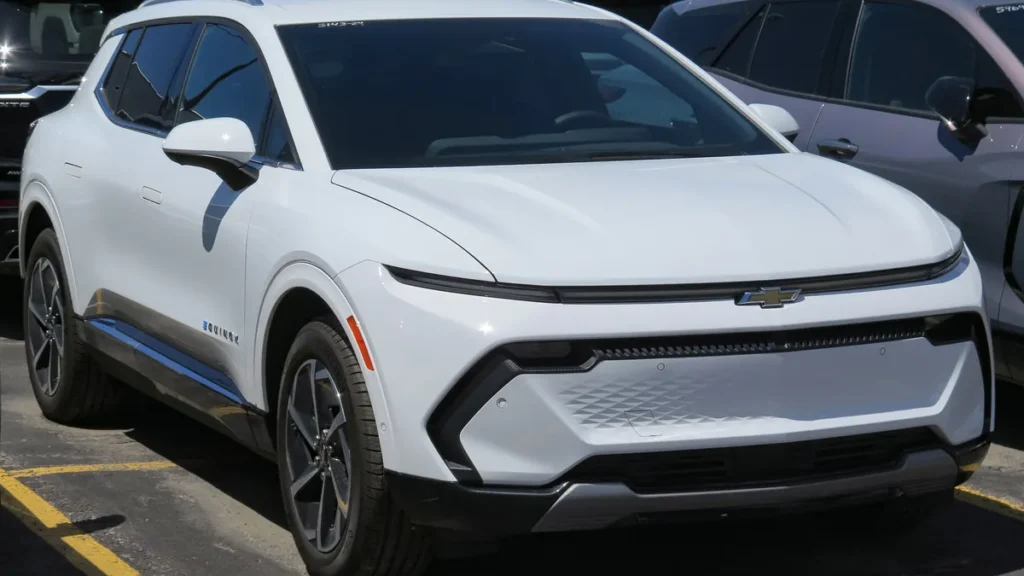
4. 2027 Chevrolet Equinox EV LT FWD: the cheapest Model Y-sized SUV
Trim and price: the 2027 LT FWD costs $34,995 before destination, plus a $1,800 destination fee, which is $36,795 delivered. EPA range is 319 miles combined. The EPA record is here: 2027 Equinox EV FWD, EPA 319 mi
Charging, three separate checks. Port: NACS native on the 2027 model, so it plugs straight into a Supercharger. Adapter: none needed for Superchargers. Access: direct Supercharger access.
Why it is the pick: it is the cheapest Model Y-sized SUV with 319 miles of range, and now it has a native NACS port. The model year is the whole story. The 2026 Equinox EV keeps CCS1 and needs GM’s approved adapter, while native NACS arrives for 2027, per GM’s own news page of August 13, 2026. The 2027 LT is therefore the pick, not the 2026. Its cost per EPA mile, $115.34, is the second-lowest in this set, behind only the LEAF.
Who it suits: a buyer who wants the lowest delivered price in an SUV shape with real range. At $36,795 delivered, it is $4,835 less than the Model Y Standard RWD, for 2 fewer miles of EPA range. One honest drawback: confirm the car on the lot is a 2027, not a leftover 2026, and check the model year on the window sticker.
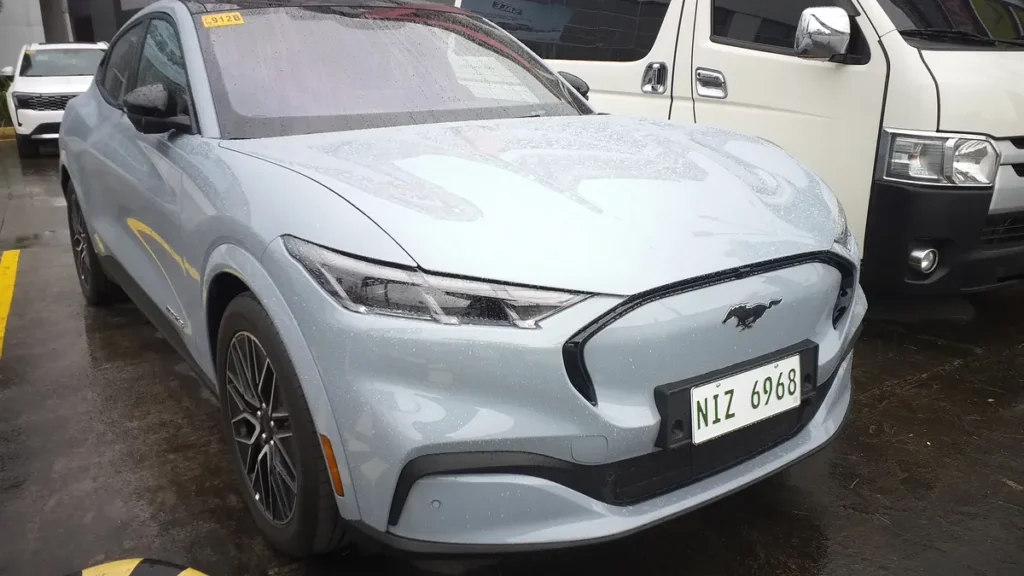
5. 2026 Ford Mustang Mach-E Select RWD: the driver-focused Model Y alternative
Trim and price: the Select RWD costs $37,795 before destination, plus a $2,045 destination fee, which is $39,840 delivered. EPA range is 260 miles combined, for the standard-range battery. The EPA record is here: 2026 Mach-E Select RWD, EPA 260 mi
Charging, three separate checks. Port: CCS1, so it does not plug straight into a Supercharger. Adapter: Ford’s official NACS DC adapter costs $200, it is optional for 2026 and it is not included with the car. Access: Supercharger access works with the adapter. Claims that 2025 and later Mach-E models ship with a native NACS port are wrong.
Why it is the pick: it is the most driver-focused mainstream Model Y alternative, the cheapest entry price among the SUV picks after the Equinox EV, and the only one with a proper performance range in the GT and Rally trims. At $39,840 delivered, it is $1,790 less than the Model Y Standard RWD.
Who it suits: a driver who likes a Mustang feel, who charges mostly at home, and who does not mind buying the $200 adapter for road trips. One honest drawback: 260 miles is the shortest range in this set, 61 miles short of the Model Y Standard RWD. The frunk is a $495 option for 2026, not standard. A price note: Ford’s Build and Price page shows $38,290 for the same Select trim, $495 higher, but this guide uses $37,795, the figure on Ford’s overview page and on the window sticker. Do not quote a Premium extended-range price from this guide, because sources conflict, at $45,345 against $46,495.
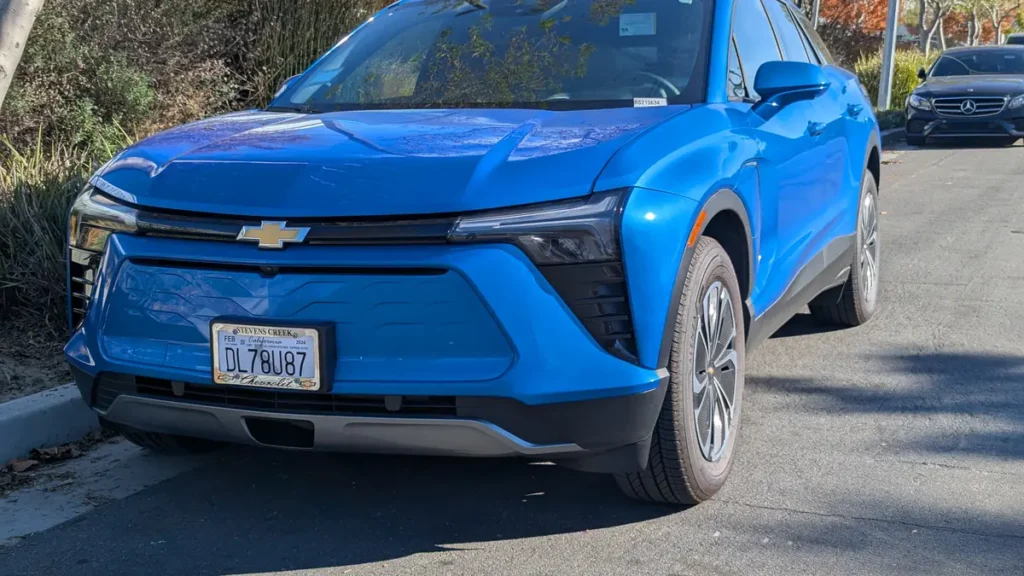
6. 2027 Chevrolet Blazer EV LT FWD: the bigger midsize SUV
Trim and price: the 2027 LT FWD costs $45,000 before destination, plus a $1,795 destination fee, which is $46,795 delivered. It has an 85 kWh battery. EPA range is 312 miles combined. The EPA record is here: 2027 Blazer EV FWD, EPA 312 mi
Charging, three separate checks. Port: NACS native on the 2027 model, on sale now. Adapter: none needed for Superchargers on the 2027. Access: direct Supercharger access.
Why it is the pick: it is the bigger midsize SUV in the set, with towing up to 1,500 lb and Super Cruise available, for buyers who find the Equinox EV too small. The 2027 is the pick, not the 2026: the 2026 Blazer EV is a CCS1 car.
Who it suits: a buyer who needs more space than the Equinox EV, who tows a small trailer, or who wants Super Cruise on the highway. One honest drawback: at $46,795 delivered, it is $10,000 more than the Equinox EV LT, for 7 fewer miles of EPA range. The 2026 adapter price is not settled: GM Energy lists its NACS DC adapter at $299, while one dealer page cites a $275 Chevrolet option, so get the adapter price in writing before you buy a 2026 car.
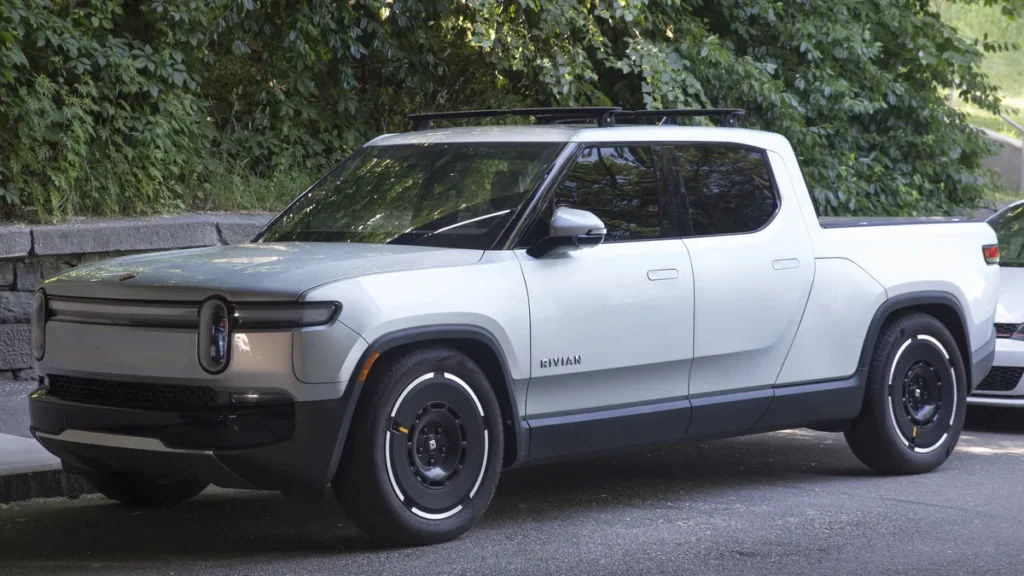
7. 2027 Rivian R1T Premium Dual: the truck alternative
Trim and price: the 2027 Premium Dual costs $79,990 before destination, plus a $1,895 destination fee, which is $81,885 delivered. EPA range is 329 miles combined. The EPA record is here: 2027 R1T Premium, EPA 329 mi
Charging, three separate checks. Port: NACS native from model year 2026 onward. Adapter: a CCS1 adapter is included free, for CCS stations. Access: direct Supercharger access.
Why it is the pick: it is the only truck pick in this set, and the Cybertruck rival that is actually a truck, with a bed, towing up to 11,000 lb, and off-road hardware. The Premium Long Range version stretches to 420 miles of EPA range, the longest in this set. Its cost per EPA mile, $248.89, is the highest here, but that is the price of a truck.
Who it suits: a Cybertruck buyer who wants a truck that works as a truck, who tows, or who drives off road. The R1S Premium is the three-row SUV twin on the same platform, at $83,990 before destination with 329 miles of EPA range, and its Premium Long Range version reaches 410 miles. One honest drawback: at $81,885 delivered, it is more than double the Model 3 Standard RWD.
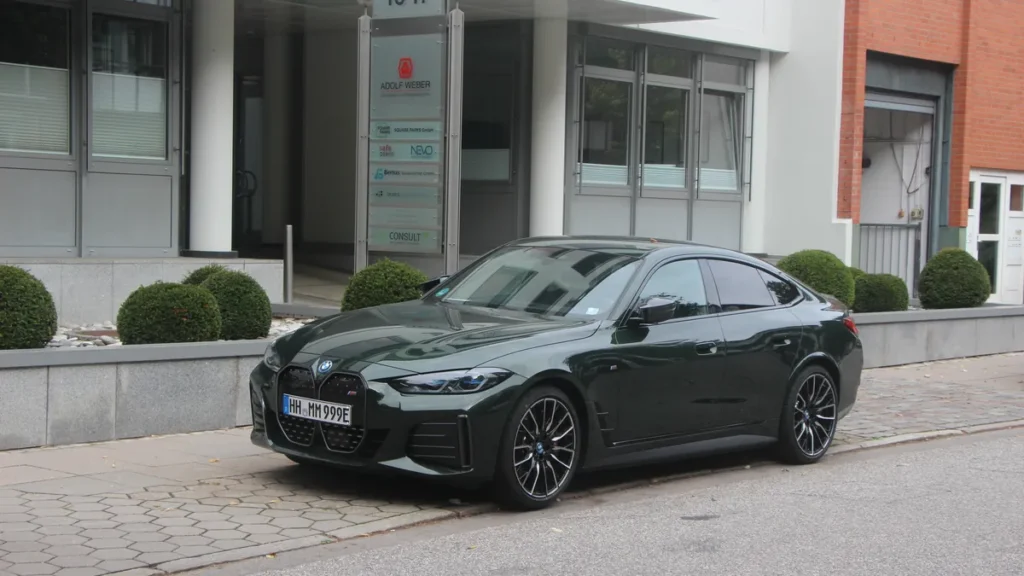
8. 2026 BMW i4 eDrive40 RWD: the premium sedan alternative
Trim and price: the eDrive40 RWD costs $57,900 before destination, plus a $1,350 destination fee, which is $59,250 delivered. It has an 81.5 kWh usable battery. EPA range is 333 miles combined, on 18-inch wheels. The EPA record is here: 2026 BMW i4 eDrive40, EPA 333 mi
Charging, three separate checks. Port: CCS1, so it does not plug straight into a Supercharger. Adapter: a BMW-approved CCS-to-NACS adapter, about $175 to $180 for the Lectron Vortex Plus, with a BMW accessory version from the second quarter of 2026. Access: Supercharger access from December 10, 2025, with the adapter, plus a software update before first use. Native NACS on BMWs starts with the i5 M60 and the iX3, not the i4.
Why it is the pick: it is the premium sedan alternative for Model 3 buyers who want a conventional car with a hatchback, real buttons and BMW driving feel, at a lower price than the Lucid Air. Its 333 miles of EPA range is the longest here after the Rivian’s long-range version.
Who it suits: a Model 3 buyer who wants a premium badge and a normal cabin. One honest drawback: at $59,250 delivered, it is $20,620 more than the Model 3 Standard RWD. CCS1 means an adapter plus a software update before the first Supercharger use, so confirm the update is done before you leave the dealer. CarBuzz reported on November 9, 2026 that the i4 is dead for 2027, replaced by the new electric 3 Series, so present it as a 2026 buy.
Three questions buyers ask before they choose
What is the best non Tesla EV?
There is no single best non-Tesla EV. The pick depends on the Tesla you would buy. For a Model 3 buyer, the 2027 Chevrolet Bolt LT is the cheapest new alternative at $28,995 delivered, with 262 miles of range, and the 2026 Nissan LEAF S+ is the cheapest with more than 300 miles, at $31,565 delivered. For a Model Y buyer, the 2026 Hyundai Ioniq 5 SE Long Range RWD is the best all-rounder, with 318 miles of EPA range and fast charging.
Is the Hyundai Ioniq 5 better than the Tesla Model Y?
For many buyers, yes. The 2026 Ioniq 5 SE Long Range RWD costs $39,100 delivered, $2,530 less than the Model Y Standard RWD at $41,630 delivered, and it charges faster, up to about 350 kW. The Model Y wins on range per dollar in some trims and on charging network size, so test both before you decide.
Which EV is the best alternative to the Tesla Model 3?
On price, the 2027 Chevrolet Bolt LT is the cheapest new alternative to the Tesla Model 3, at $28,995 delivered against $38,630 for the Model 3 Standard RWD, a saving of $9,635 for 59 fewer EPA miles. If you want more than 300 miles, the 2026 Nissan LEAF S+ is the cheapest, at $31,565 delivered, a saving of $7,065 for 18 fewer EPA miles. On driving feel, the 2026 BMW i4 eDrive40 is the pick, with 333 miles of EPA range, but it costs $59,250 delivered.
The worked example
Two buyers, two comparisons, with the maths shown.
A Model 3 buyer: the 2026 LEAF S+ costs $31,565 delivered, and the Model 3 Standard RWD costs $38,630 delivered. Subtract: $38,630 minus $31,565 is $7,065 saved. Range: the LEAF S+ has 303 miles of EPA range, and the Model 3 Standard RWD has 321 miles. Subtract: 321 minus 303 is 18 fewer miles. So the buyer saves $7,065 and gives up 18 miles of EPA range.
A Model Y buyer: the 2026 Ioniq 5 SE Long Range RWD costs $39,100 delivered, and the Model Y Standard RWD costs $41,630 delivered. Subtract: $41,630 minus $39,100 is $2,530 saved. Range: the Ioniq 5 has 318 miles of EPA range, and the Model Y Standard RWD has 321 miles. Subtract: 321 minus 318 is 3 fewer miles. So the buyer saves $2,530, gives up 3 miles of EPA range, and gains faster DC charging, up to about 350 kW.
The method: compare delivered prices, compare the EPA range of the exact trim named, and never subtract the $7,500 federal credit, because it is unavailable for vehicles acquired after September 30, 2025.
Charging: port, adapter and access, three separate checks
The most common mistake in EV comparisons is to blur three different things into one word, usually “NACS”. Check all three, for the exact model year.
| Pick | Charge port | Adapter for Superchargers | Supercharger access |
|---|---|---|---|
| 2026 Nissan LEAF S+ | NACS native | None needed | Yes, direct |
| 2026 Hyundai Ioniq 5 SE Long Range RWD | NACS native | None needed, CCS adapters included | Yes, direct |
| 2026 Kia EV6 Light Long Range RWD | NACS native | None needed, CCS adapter sold separately | Yes, direct |
| 2027 Chevrolet Equinox EV LT FWD | NACS native | None needed | Yes, direct |
| 2026 Ford Mustang Mach-E Select RWD | CCS1 | Ford NACS DC adapter, $200, optional | Yes, with adapter |
| 2027 Chevrolet Blazer EV LT FWD | NACS native | None needed | Yes, direct |
| 2027 Rivian R1T Premium Dual | NACS native | None needed, CCS1 adapter included free | Yes, direct |
| 2026 BMW i4 eDrive40 RWD | CCS1 | BMW-approved adapter, about $175-180, plus software update | Yes, with adapter |
Two warnings. First, Hyundai’s complimentary NACS adapter required a purchase or lease on or before January 31, 2025, so a new purchase now falls outside the free window. Ask the dealer what is included. That warning applies to 2025 and earlier CCS cars; the 2026 Ioniq 5 and EV6 need no adapter for Superchargers. Second, GM Energy lists its NACS DC adapter at $299 on its current store, and the older $225 figure on Chevrolet’s support page is stale. The 2026 Equinox EV and Blazer EV need that adapter, while the 2027 versions do not. Ford’s adapter is $200, DC only. BMW’s is about $175 to $180, and the software update must be done before the first Supercharger use.
If you charge mostly at home, the port matters less, because home charging uses the J1772 AC plug on every car here. If you road-trip, it decides whether you plug straight in or buy an adapter first.
What is not on the list, and why
Mentions, not headline picks. The 2027 Chevrolet Bolt LT is the cheapest new non-Tesla EV in the U.S., at $27,600 before destination plus a $1,395 destination fee, which is $28,995 delivered, with 262 miles of EPA-estimated range from a 65 kWh LFP battery, a native NACS port and DC fast charging at more than 150 kW. Chevrolet says it is back for a limited time, and the EPA has not formally published the 2027 Bolt rating yet, so the 262-mile figure is Chevrolet’s EPA estimate. Its cost per EPA mile is $110.67, between the LEAF and the Equinox EV. It is a mention, not a headline pick, because its range is the shortest here and its production run is limited.
The Lucid Air Pure 2026 costs $70,900 before destination, with 420 miles of EPA range, a CCS1 port, a Lucid adapter at $220, and Supercharger access from July 31, 2025. It is the range king and the premium stretch pick.
The Polestar 3 is inventory only: Polestar announced on June 25, 2026 that no model year 2027 or later vehicle will be sold in the U.S., and its price and range are unsettled, so this guide does not state $67,500 or 350 miles as settled figures. The Polestar 4 is also inventory only, from $56,400, with 310 miles of EPA range.
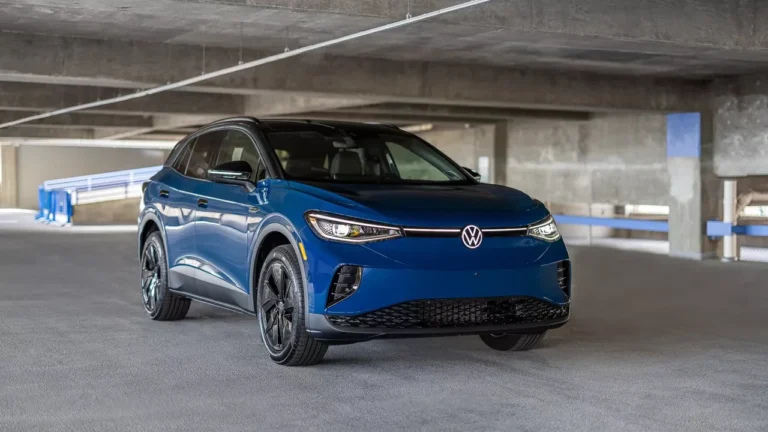
The Volkswagen ID.4 2026 is inventory only; U.S. production ended in April 2026. The Nissan Ariya is inventory only, because Nissan paused new U.S. orders heading into 2026, and its 130 kW DC peak is the slowest in this set. If your budget is below $28,995, start with our Best Used EV guide , the parent guide for this comparison.
Dropped, and not presented as U.S. buys: the Hyundai Ioniq 6 standard sedan, discontinued in the U.S. for 2026, with only the limited Ioniq 6 N continuing; the Polestar 2, dead, with no 2026 EPA record; the Kia EV6 GT, dropped from the U.S. lineup; the old Chevrolet Bolt EV and EUV, production ended (the new 2027 Bolt is covered above as a mention); the Volvo EX30, discontinued in the U.S. after the 2026 model year; the Hyundai Kona Electric and the Kia Niro EV, paused for 2026; the Fisker Ocean, maker bankrupt; and the BYD Seal, the Volkswagen ID.3 and other Europe-only models, not sold in the U.S.
If a top page still recommends any of these as a current new buy, that page is stale.
One coming option, not a pick: the Rivian R2, a 2027 model, with the Standard trim from $46,485 and up to 330 miles of EPA range, but with limited availability at launch. Do not plan a purchase around the cheaper trims until they are actually on sale.
How to check before you buy
Dealer stock was not audited for this guide, so verify the exact car before you sign anything. Read the window sticker first: model year, trim, wheels, destination fee and port. Confirm the model year, especially on the Equinox EV, the Blazer EV and the LEAF. Check the EPA range for the exact trim and wheels, not the longest range in the lineup. Get the adapter price in writing where one is needed: $200 for Ford, $299 for GM, about $175 to $180 for BMW. On the BMW i4, confirm the software update is done before the first Supercharger use. Call the dealer and ask what is actually on the lot, because several cars in this guide are inventory only.
Author and research note
This article is by Sam Wilson, an editorial pen name for EVPalace. Research and drafting were assisted by AI, and every price, range and charging figure was checked against the sources named here on November 16, 2026, with Tesla reference prices verified on November 14, 2026. No vehicle in this guide was tested, no dealer was visited, and dealer stock was not audited, so confirm the exact car, trim and price with the selling dealer before you buy. Prices are MSRP, the maker’s list price before destination, unless stated otherwise; delivered price is MSRP plus the destination fee. Ranges are EPA combined figures for the exact trim named. The $7,500 federal credit is unavailable for vehicles acquired after September 30, 2025, and no price in this guide subtracts it.
Frequently asked questions
What is the best non Tesla EV overall?
There is no single best non-Tesla EV, because the right pick depends on the Tesla you would otherwise buy. For a Model 3 buyer, the 2027 Chevrolet Bolt LT is the cheapest new alternative at $28,995 delivered, with 262 miles of range, and the 2026 Nissan LEAF S+ is the cheapest with more than 300 miles, at $31,565 delivered. For a Model Y buyer, the 2026 Hyundai Ioniq 5 SE Long Range RWD is the best all-rounder, with 318 miles of EPA range and fast charging. For a Cybertruck buyer, the 2027 Rivian R1T Premium Dual is the only truck pick.
What is the cheapest non Tesla EV alternative?
The 2027 Chevrolet Bolt LT is the cheapest, at $28,995 delivered, which is $27,600 before destination plus a $1,395 destination fee. It has 262 miles of EPA-estimated range, a native NACS port and direct Supercharger access. The cheapest with more than 300 miles is the 2026 Nissan LEAF S+, at $31,565 delivered, which is $29,990 before destination plus a $1,575 destination fee, with 303 miles of EPA range and a cost per EPA mile of $104.17, the lowest in this guide. The next cheapest after the LEAF is the 2027 Chevrolet Equinox EV LT, at $36,795 delivered with 319 miles.
Which non-Tesla EV charges fastest?
The 2026 Hyundai Ioniq 5 and the 2026 Kia EV6 charge fastest in this set. Both use an 800-volt architecture with DC fast charging at up to about 350 kW on a capable charger, and the EV6 goes from 10 to 80 percent in about 18 minutes under Kia’s stated conditions. Both have native NACS ports and direct Supercharger access.
Do non-Tesla EVs work at Tesla Superchargers?
Yes, with one condition: the port and the adapter must match. Cars with a native NACS port, the 2026 LEAF, Ioniq 5 and EV6, the 2027 Equinox EV and Blazer EV, the 2027 Rivian R1T and the 2027 Bolt LT, plug straight in. Cars with a CCS1 port, the 2026 Mach-E, the 2026 Equinox EV and Blazer EV, and the 2026 BMW i4, need a maker-approved adapter: $200 for Ford, $299 for GM, about $175 to $180 for BMW, plus a software update on the BMW before first use.
Is the $7,500 federal EV tax credit still available?
No. The $7,500 federal new-EV credit is unavailable for vehicles acquired after September 30, 2025, and the used-EV credit ended on the same date. No price in this guide subtracts the credit. State incentives vary by state, so check your own state’s program before you buy.