VW EV Cars: US Models, Prices, Range and Availability
VW EV cars listed on Volkswagen’s U.S. website are the 2026 ID.4 electric SUV and the 2025 ID. Buzz electric bus. The ID.4 is the lower-priced starting point; the ID. Buzz adds a larger passenger-focused layout. Confirm model year and local stock, because the U.S. lineup is in transition.
Checked October 28, 2026. This guide covers Volkswagen-brand vehicles for U.S. shoppers. It separates cars on the current U.S. site from production changes and future-model reports, so an older announcement does not become a misleading promise of availability.
Which VW EV cars are listed in the United States?
Volkswagen’s U.S. electric-vehicle lineup names two model families. The figures below belong to the model years shown; they are not specifications for a future replacement or a promise that every dealer has stock.
On smaller screens, swipe the table sideways to read every column.
| U.S. model listing | Starting MSRP | EPA-estimated range | Availability check |
|---|---|---|---|
| 2026 ID.4 electric SUV | $45,095 | 291 miles RWD; 263 miles AWD | Existing U.S. listing; confirm the exact VIN and dealer stock. |
| 2025 ID. Buzz electric bus/minivan | $59,995 | 231–234 miles, depending on configuration | Check remaining 2025 inventory or used examples; do not assume an announced update is on sale. |
The range figures are EPA estimates, not guaranteed distances. Starting MSRP is also different from an out-the-door price: request a written quote including destination charges, options, taxes, registration and dealer charges. A discount on one VIN does not establish a nationwide price.
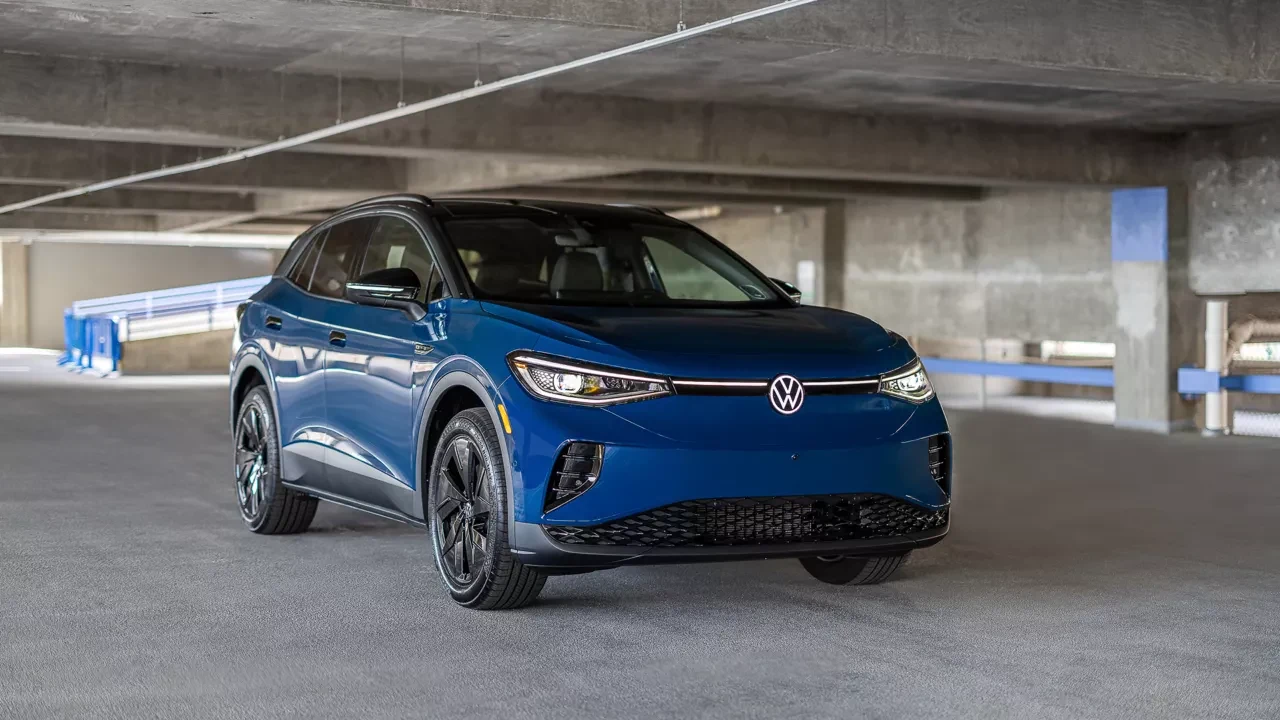
ID.4: the SUV option for a smaller passenger group
The 2026 ID.4 page lists Pro and Pro S rear-wheel-drive versions at 291 EPA-estimated miles, while its AWD variants are rated at 263 miles. Compare the specific configuration rather than treating every ID.4 as the same battery, range or equipment package.
Start your test drive with the jobs your car must do: carrying passengers, fitting in your parking space and loading everyday equipment. Try the driving position, rear-seat access and controls before choosing a trim for its wheels or appearance.
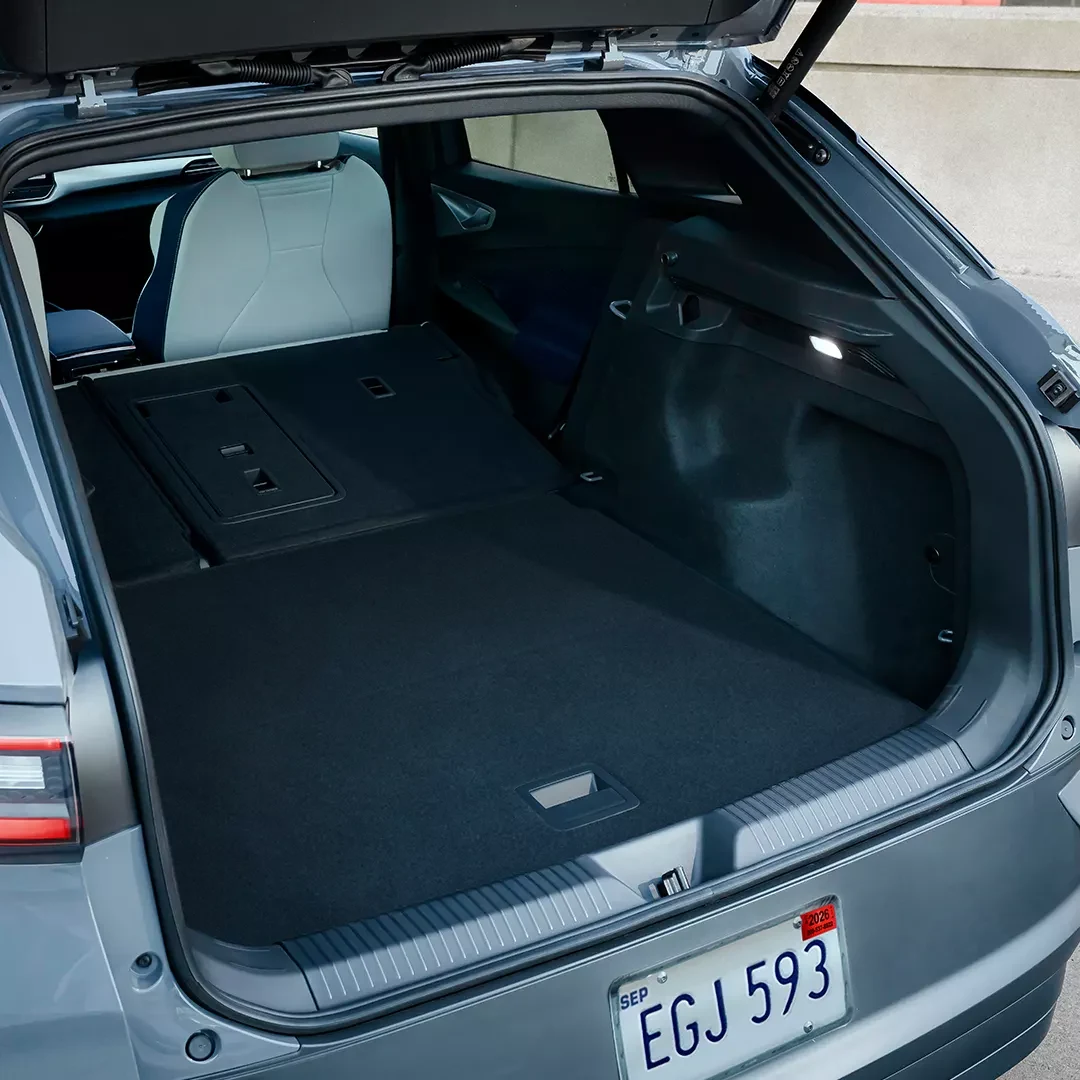
The cargo photo shows the rear seats folded, which is useful for understanding the long loading area. For a family purchase, repeat the luggage test with every seat you need in use. A large maximum cargo figure can be irrelevant if achieving it removes a passenger’s place.
ID. Buzz: compare the seating layout with the trip
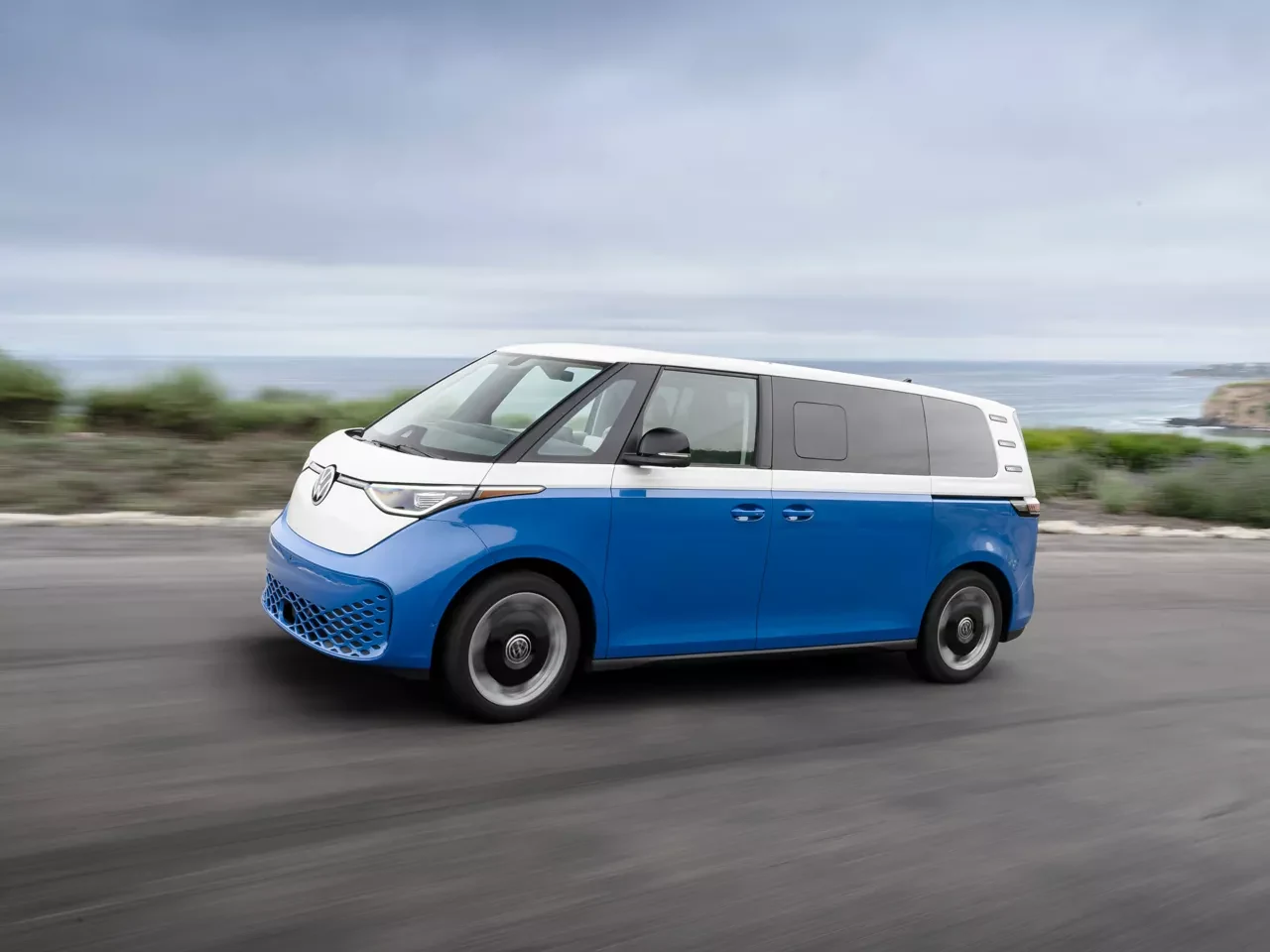
Volkswagen’s 2025 ID. Buzz page lists a $59,995 starting MSRP and 231–234 EPA-estimated miles, depending on configuration. It describes six- or seven-passenger layouts. Confirm the actual seating arrangement on the vehicle you are considering; exterior photos cannot establish its seat count.
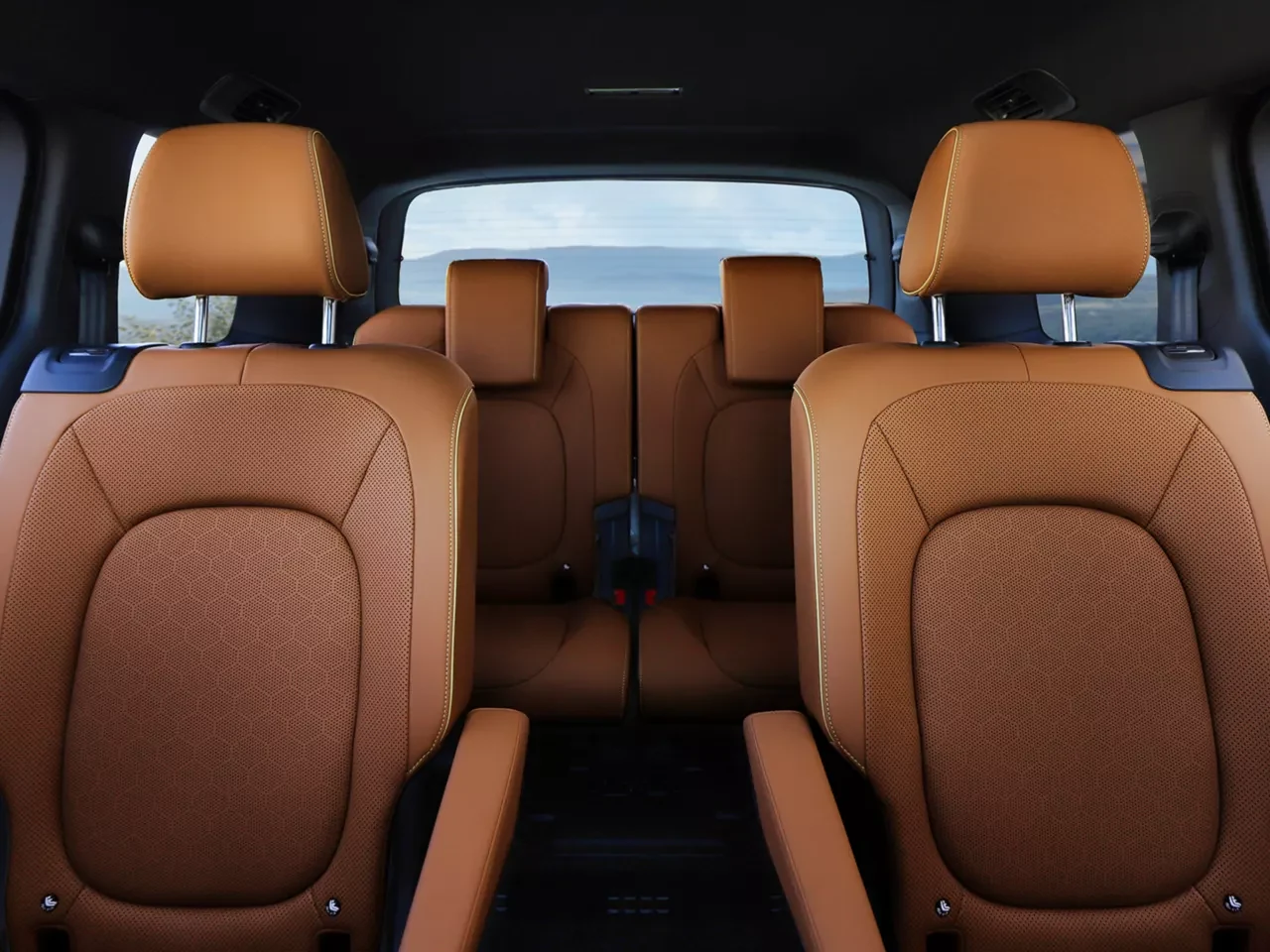
The useful question is whether the extra passenger space solves a real need. Have the intended third-row passengers try entry, legroom and the view, then check how much luggage fits behind them. Bring the stroller, folded wheelchair or other bulky item you normally carry, rather than estimating from a photograph.
For long journeys, map your regular route before deciding. More passenger space does not automatically mean fewer charging stops, and a larger battery specification alone does not establish the distance you will drive. Our EV range factors guide explains how speed, weather and load affect the result.
Availability: model years, production and inventory are different
ID.4 production has changed
Volkswagen’s April 2026 corporate update confirms that U.S. ID.4 production was discontinued as Chattanooga shifted its focus. The 2026 ID.4 remains on the U.S. consumer site. Those facts can coexist: a production stop does not mean every previously built vehicle has disappeared from dealer inventory.
Ask the dealer whether the car is physically on site, in transit or only represented by a website listing. Get the VIN, model year and expected delivery date in writing. Do not interpret an online builder as confirmation that a new factory order is available.
ID. Buzz return timing was revised after earlier announcements
September 25 reporting by electrive, citing Automotive News and a Volkswagen statement, says the U.S. return moved from the previously announced 2027 model year to a 2028 model expected in the first half of calendar 2027. This is later reporting about a future launch, not proof of current stock.
The U.S. product page checked for this guide still identifies the 2025 model. Treat a remaining 2025 car and a proposed 2028 vehicle as separate purchases. Confirm final U.S. pricing, specification and delivery timing before paying for a future model; do not transfer announced equipment to an older VIN.
What about VW electric models shown on overseas websites?
Use the U.S. model page as your starting point. A Volkswagen EV shown in a European review or global reveal is not automatically a U.S. retail offering. This guide does not add overseas models to the U.S. shortlist merely because they share an ID. name.
Charging a Volkswagen EV at home and on the road
Home charging: plan around the parking space
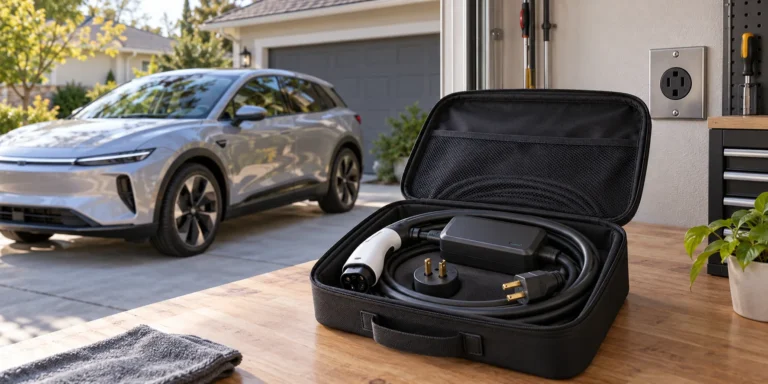
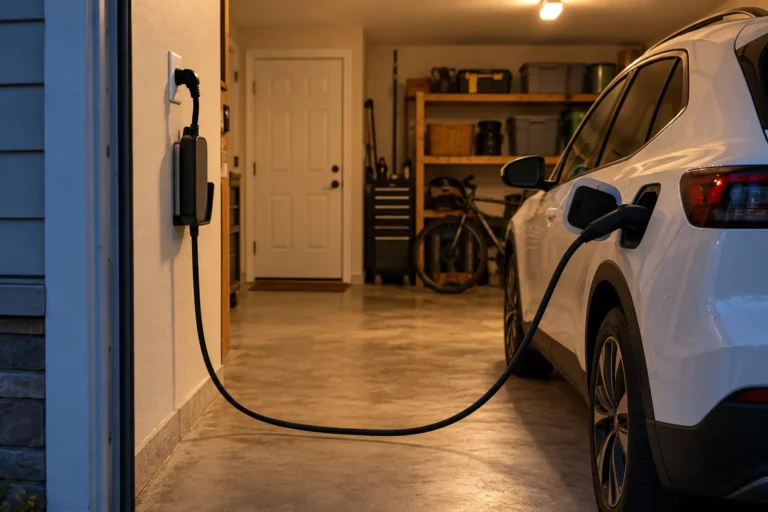
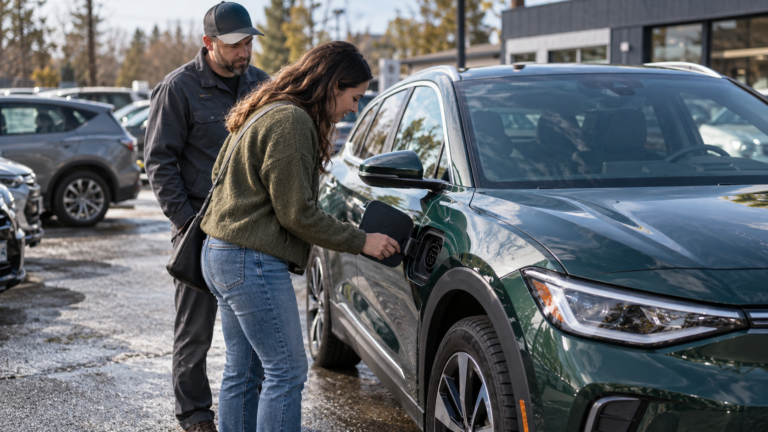
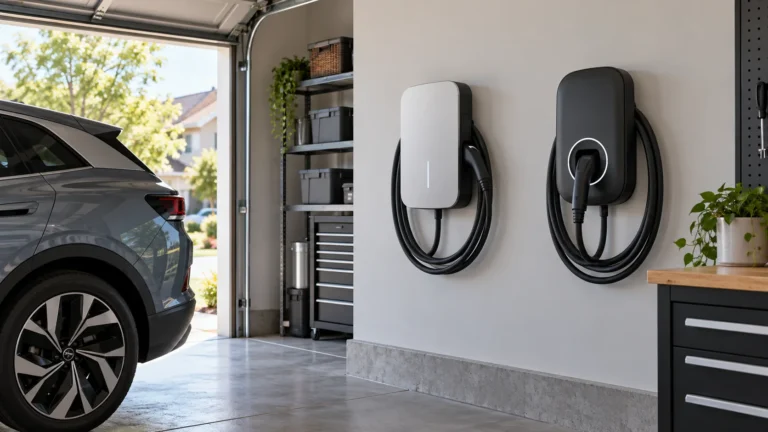
Check where the car will park, where its inlet sits and whether the cable can reach without becoming a trip hazard. Ask whether the proposed car includes a charging cable, and have a qualified installer assess the electrical supply before buying equipment. Our home EV charging guide covers that planning process.
For costs, use your electricity tariff and likely mix of home and public charging. Do not assume a dealer’s monthly charging estimate matches your mileage or utility plan. The charging-cost guide explains how to compare those inputs.
Tesla Superchargers: the correct DC adapter matters
Volkswagen’s 2026 ID.4 quick-start guide describes using the genuine NACS DC adapter and Tesla app to find compatible Superchargers and manage the session. The adapter connects a supported NACS DC cable to the car’s charging inlet; it is not a universal charging adapter.
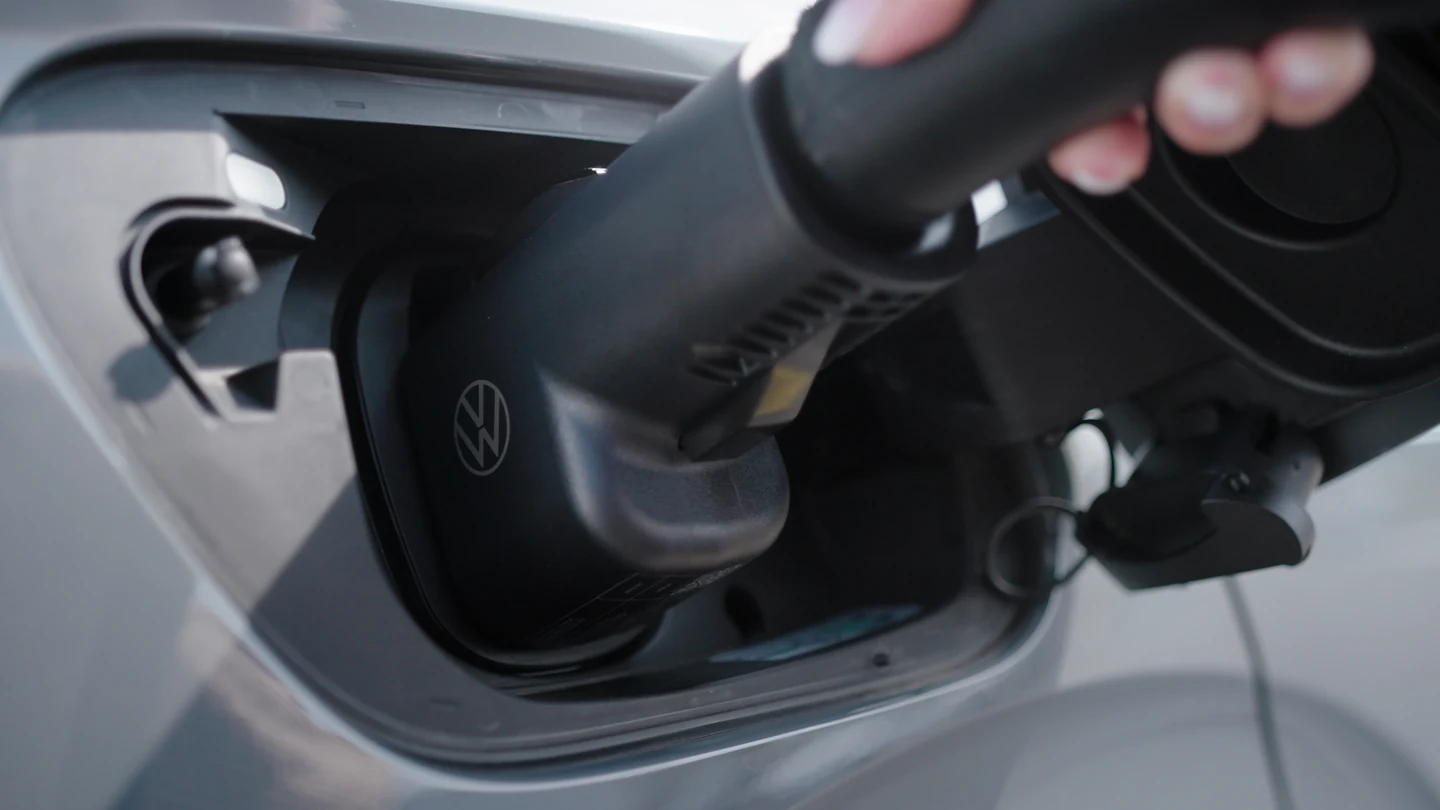
VW explicitly excludes Level 1 and Level 2 AC charging, Tesla Destination Chargers, home chargers and Mobile Connectors from this DC adapter’s use. Follow the instructions for your exact vehicle, keep its software current and use the app’s compatibility information. A connector that fits does not establish access to every charging site.
For an ID. Buzz or an older ID.4, verify the applicable instructions and approved hardware with Volkswagen. Our EV connector guide explains why AC and DC compatibility must be checked separately.
Included charging plans vary by model year
Volkswagen’s EV ownership benefits page distinguishes the 2026 two-year Electrify America Pass+ membership from earlier plans. A discounted charging membership is not the same as unlimited free electricity. Read the plan for the exact model year and original owner, including enrollment, expiry and transfer restrictions.
When comparing a used car with a new one, ask which benefits remain available to you. Do not add the value of a previous owner’s charging offer to your budget without checking the actual plan terms.
A useful ID.4 versus ID. Buzz comparison
Illustrative buyer scenario: a household likes the ID. Buzz’s shape but only occasionally needs more passenger seats. Before paying for that extra capacity, compare how often those seats are needed with the cost and convenience of the two cars over normal weeks and holiday trips.
- Seat test: identify who sits where on the busiest normal day. Try child-seat installation and passenger access with the seller’s permission.
- Load test: bring representative luggage and keep all required passenger seats available. Check the hatch opening as well as the floor area.
- Route test: plan one familiar longer journey using compatible chargers and a sensible arrival reserve. Consider a backup charging stop.
- Ownership test: obtain insurance and tire quotes, check home-charging installation needs, and compare complete purchase or lease proposals.
- Availability test: confirm the VIN and delivery position. Separate an attractive model announcement from a car you can actually take home.
If neither VW matches those requirements, cross-shop the vehicle format and budget instead of forcing a brand choice. Our Chevrolet electric-car guide provides another U.S. lineup to compare.
Checks for a used Volkswagen electric vehicle
A used-car comparison needs more than an odometer reading and a full-charge dashboard estimate. Request service records, the original in-service date and a manufacturer-supported or qualified battery-health assessment. Inspect the charging inlet and supplied equipment for damage, and have faults assessed by a qualified EV technician.
Check the VIN through NHTSA’s recall lookup and ask Volkswagen about completed repairs and outstanding campaigns. Review the exact warranty booklet and remaining coverage, including any battery-capacity conditions. A model-year change alone does not tell you whether an individual car is a good purchase.
Our used-EV buying guide offers a broader condition-and-value checklist. Keep older model-year specifications separate from the 2026 ID.4 and 2025 ID. Buzz figures in this article.
Choose from the VW EV cars that fit your real needs
Compare VW EV cars by the model year you can actually buy, the seats and luggage space you need, and the charging setup you can use. The ID.4 and ID. Buzz serve different passenger needs. Confirm the VIN, complete price and delivery position before treating a website listing or future-model report as a deal.
Research method and image credits
This U.S. guide was prepared with AI assistance and checked on October 28, 2026 against Volkswagen consumer, owner and corporate sources. The revised ID. Buzz launch timing is attributed to dated industry reporting because it differs from earlier announcements. This is desk research, not an EV Palace road test, dealer-stock audit or charging test.
The images are Volkswagen promotional or owner-guide assets showing the vehicles, cargo area, seating and charging adapter. Equipment shown may vary; the 2025 ID. Buzz photos do not establish future-model specifications. The household comparison is hypothetical.
By Sam Wilson, EV Palace’s editorial pen name for practical, source-based EV guides.
Sources
- Volkswagen U.S. EV lineup — current U.S. model listings.
- 2026 ID.4 and 2025 ID. Buzz — model-year prices, EPA range and configuration details.
- Volkswagen corporate update, April 30, 2026 — U.S. ID.4 production change.
- electrive, September 25, 2026 — reported revised ID. Buzz U.S. return timing.
- 2026 ID.4 quick-start charging guide — adapter use and compatibility limitations.
- Volkswagen EV ownership benefits — model-year charging-plan differences.
- NHTSA recall lookup — VIN-specific recall checks.
Frequently asked questions
What are the Volkswagen electric models listed in the U.S.?
Volkswagen’s U.S. site checked on October 28, 2026 lists the 2026 ID.4 SUV and the 2025 ID. Buzz electric bus. That listing does not guarantee local stock or a new factory-order slot. Check the model year and VIN with a dealer.
Which is the cheaper VW electric vehicle?
The listed 2026 ID.4 starting MSRP is $45,095, compared with $59,995 for the listed 2025 ID. Buzz. These are starting prices for different vehicles and model years, not complete dealer quotes.
Is the 2027 ID. Buzz already available in the United States?
Do not rely on the earlier 2027 announcement. September 2026 reporting said the U.S. return was delayed to the 2028 model year, expected in the first half of 2027. Verify the latest Volkswagen announcement and dealer delivery information.
Can a VW electric car charge at a Tesla Supercharger?
Supported VW vehicles can use compatible Superchargers with approved hardware. For the 2026 ID.4, Volkswagen describes its genuine NACS DC adapter and the Tesla app. The DC adapter is not for AC home or Destination charging; follow model-specific instructions.
Does the ID. Buzz always have seven seats?
No. The 2025 U.S. model page describes six- or seven-passenger configurations. Check the seat layout on the particular vehicle, and test access and luggage space with the passengers you intend to carry.