How Much Does an Electric Car Battery Cost to Replace?
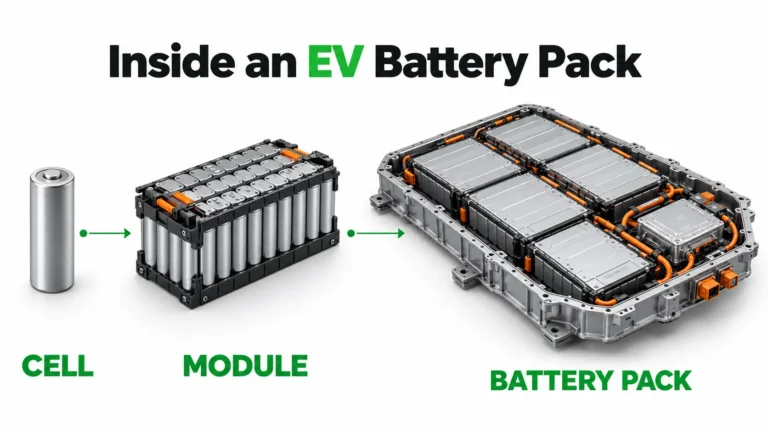
An out-of-warranty electric car battery replacement can be a five-figure repair, but there is no single installed price for every EV. Pack design, vehicle model, warranty, diagnosis, labor and the availability of new or remanufactured parts all change the bill. A fault may be covered or repairable without changing the full pack. Get a written diagnosis and VIN-specific quote before assuming replacement is necessary.
The traction battery is different from the small 12-volt battery. This guide concerns the high-voltage pack that drives a battery-electric car. It explains the costs that belong on an estimate, what a warranty might pay, and the decisions to make before authorizing work. It is written for U.S. owners and uses current public guidance checked in October 2026.
Why a single EV battery replacement price is misleading
Automakers generally do not publish a universal replacement-pack price list, according to the U.S. Department of Energy’s Alternative Fuels Data Center. A pack for one car is not interchangeable with another. Capacity, design, cooling hardware, access, shipping and local labor all vary. Even two cars from the same nameplate may have different pack variants.
As a concrete market example, independent EV battery specialist Greentec Auto advertises selected Tesla replacement batteries at roughly $6,999–$14,500 on its current product pages. That is a seller-specific product range, not a national installed average, and may exclude labor, taxes, freight, deposits or other model-specific charges. New OEM pack quotations can differ substantially. Ask for an estimate tied to your VIN and the exact part condition and warranty.
What should be on an itemized quote?
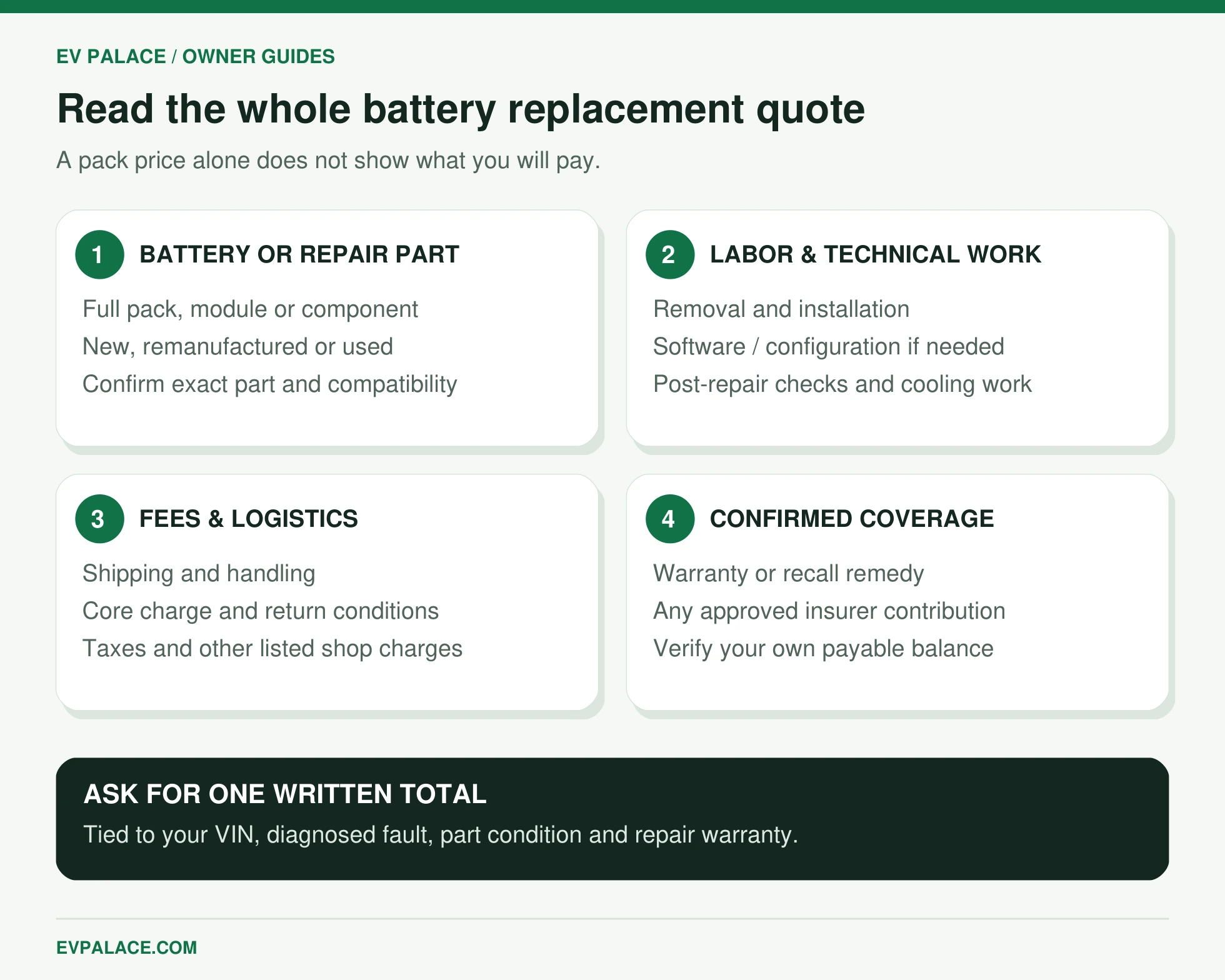
Separate the root cause from the repair proposed. An estimate that simply says “replace battery” makes it hard to compare service providers or evaluate warranty coverage. Request these line items:
- Diagnosis: Fault codes, test results and the exact problem found; ask whether charging electronics, cooling, wiring or the low-voltage system were ruled out.
- Part: Full pack, module or other component; new, remanufactured or used; part number, usable capacity where relevant, core charge and return terms.
- Labor and logistics: Removal and installation hours, programming, transport or hazardous-material handling and shop fees.
- After-service checks: Cooling-system work, software/configuration, insulation and charging checks, plus what documentation you receive.
- Coverage: Remaining battery or repair warranty, exclusions, taxes, total out-the-door cost and expected completion date.
Diagnosis comes before replacement
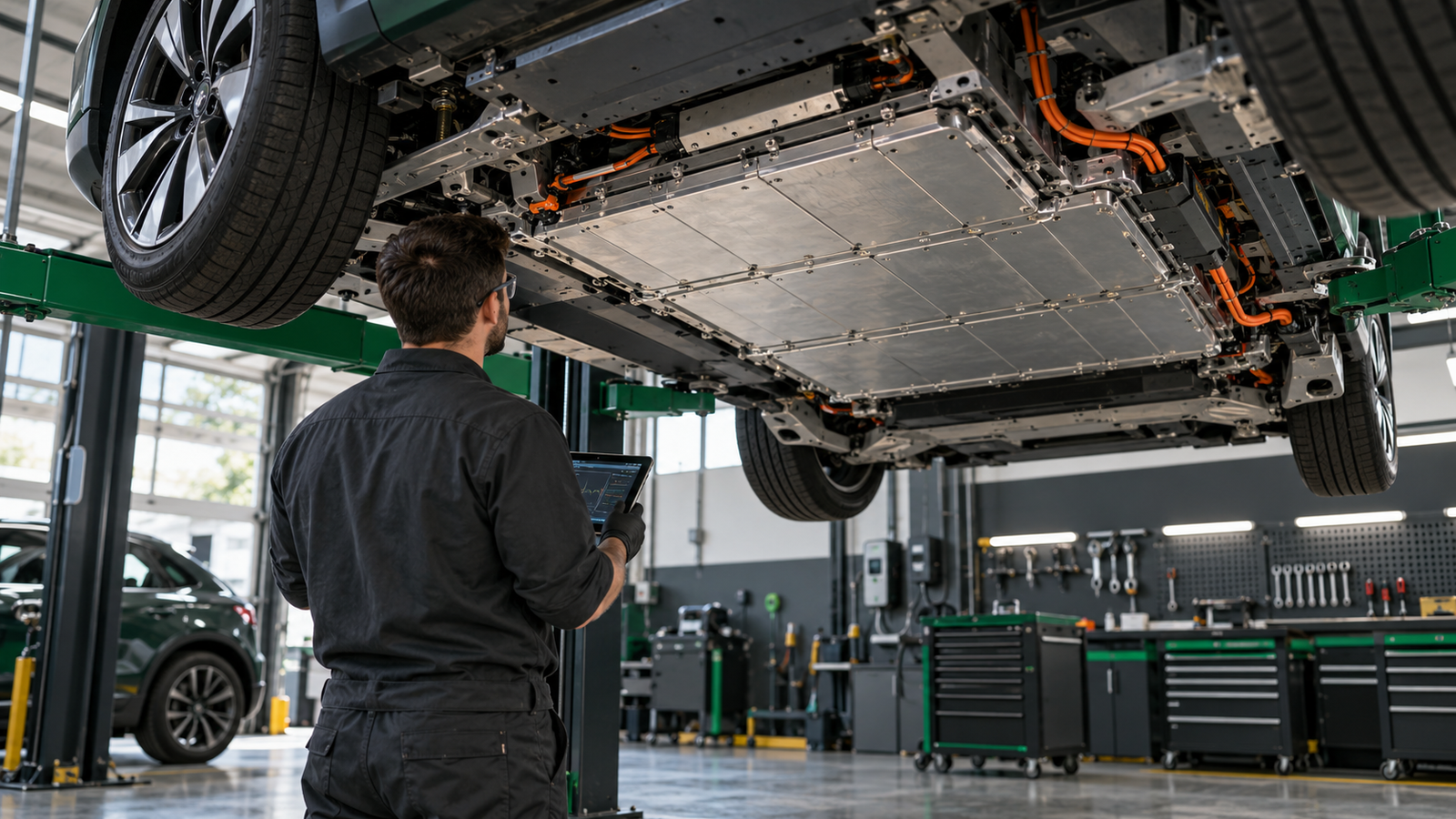
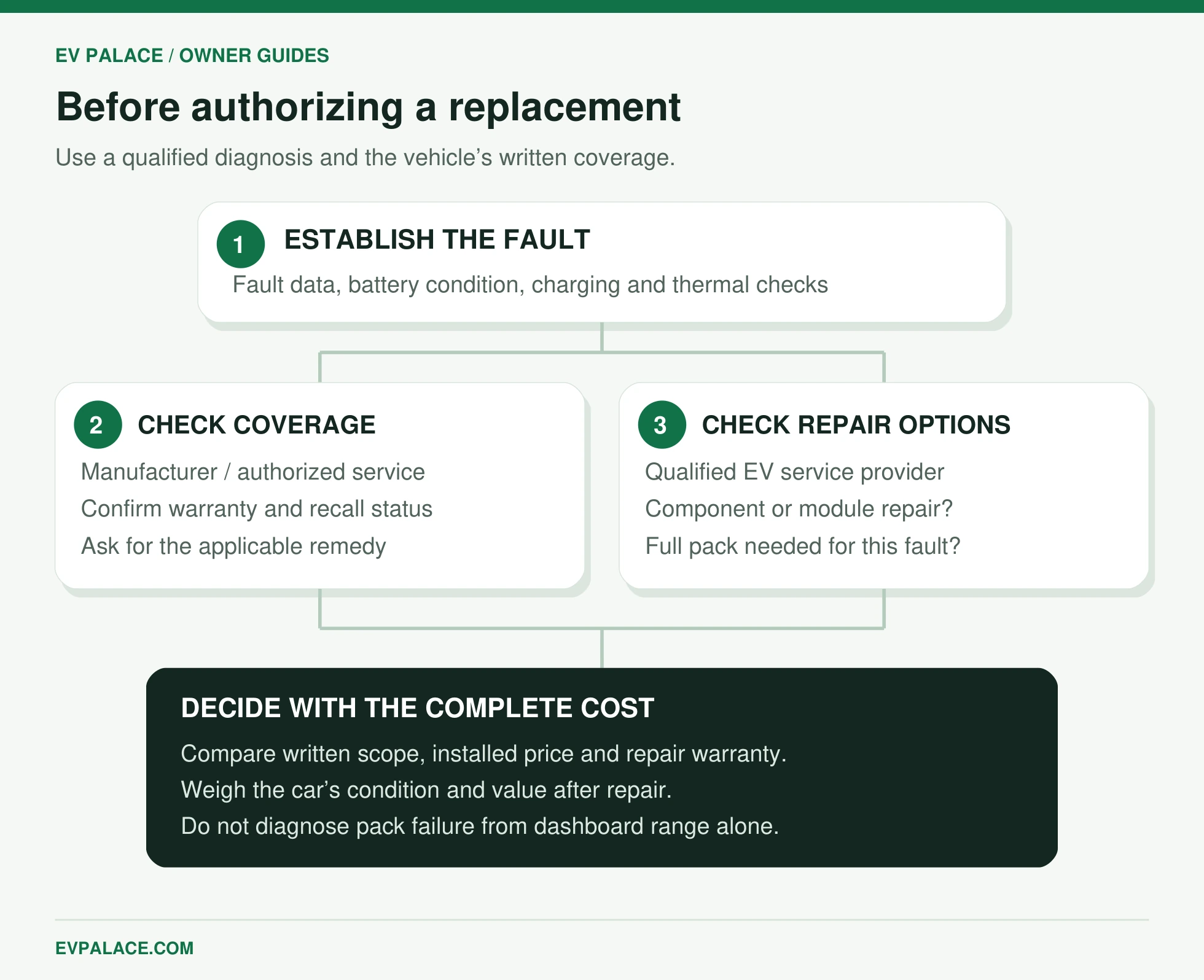
Range loss on a dashboard does not prove pack failure. The displayed estimate changes with recent driving, weather and climate-control use. Gradual capacity loss is also different from a sudden fault, warning light or inability to charge. A trained technician can read vehicle-specific codes, examine battery-health data where supported and evaluate charging and thermal systems.
Some faults can be resolved by replacing a serviceable component, repairing a permitted module, fixing a coolant or electrical issue, or addressing a recall. Whether a pack can be repaired depends on its design and the manufacturer’s procedures. Do not open or probe high-voltage components yourself. Start with the battery pack basics if you need to distinguish capacity, state of health and the auxiliary battery.

Will the battery warranty pay?
Many EV battery warranties run at least eight years or 100,000 miles, but exact coverage is manufacturer- and model-specific; the DOE maintenance guide describes that common benchmark. Warranty start date, capacity-retention threshold, transfer rules and exclusions matter. The seller’s “still under warranty” claim should be checked against the VIN and the warranty booklet.
Ask the manufacturer or authorized service center to confirm coverage before approving paid work. A defect claim, a capacity claim and a collision or water-damage claim may be treated differently. Recall repairs have their own eligibility and remedy rules. A warranty repair may use a replacement or remanufactured pack under the manufacturer’s written terms; do not assume a brand-new pack or a full new warranty period.
Battery failure requiring replacement is not an inevitable ownership event. A DOE summary of a study of about 15,000 plug-in vehicles found failure replacements rare outside recalls, particularly in later model years within that historical sample. That study is not a prediction for an individual car. A specific fault still deserves prompt diagnosis.
Compare repair, replacement and vehicle value
Once you have two comparable written quotes, compare their scope and parts warranty. A cheaper used pack might have limited documented history; a remanufactured pack has a different definition depending on supplier. Clarify battery capacity, expected compatibility, installation responsibility and who handles a claim if the replacement fails.
For an older EV, compare the complete repair total with the car’s as-is value and expected value after repair. Include tires, brakes, other needed repairs, insurance, taxes and financing in the decision. If a seller offers a “battery upgrade,” ask for written confirmation that the exact VIN and vehicle software support it. A headline pack price alone cannot settle whether repair is worthwhile.

A practical owner checklist
- Record the VIN, model year, trim, mileage and exact symptoms. Save dashboard warnings and charging-session details.
- Check the warranty booklet and ask the manufacturer to verify remaining VIN-specific battery coverage and any recalls.
- Get a qualified diagnosis in writing. Ask which tests support the proposed full-pack replacement.
- Request an itemized installed quote covering part condition, labor, fees, programming and the replacement warranty.
- Compare a second qualified provider when feasible; decide using total repair cost and the vehicle’s condition.
If you are evaluating an older car before purchase, use these steps as a negotiating and inspection framework. Our range factors guide explains why a short test drive or dashboard miles cannot isolate battery health. The ownership cost comparison helps put a potential repair in a broader budget.
Sources and method
- DOE AFDC: Electric Vehicle Benefits and Considerations — battery life and pricing limits.
- DOE AFDC: Maintenance and Safety of Electric Vehicles — warranty benchmark and safety.
- DOE: Historical replacement study summary.
- Greentec Auto: Advertised selected Tesla replacement packs — a seller example, not an installed market average.
Research checked October 2026. Prices, parts availability and warranty terms change. This is desk research, not a hands-on service evaluation or a quote for any particular VIN.
Frequently asked questions
How much does an electric car battery cost to replace?
There is no universal installed price. A complete out-of-warranty repair can reach five figures; the actual cost depends on the model, part, diagnosis and labor. Ask for a VIN-specific written quote.
Is a reduced range estimate proof that the battery needs replacement?
No. Weather and recent driving can change the displayed estimate. A trained technician should evaluate state of health and fault data before recommending pack replacement.
Does the battery warranty cover all loss of capacity?
No. Coverage depends on the exact warranty’s time, mileage, threshold and exclusions. Confirm the VIN-specific terms with the manufacturer.
Can an EV battery be repaired instead of replaced?
Sometimes. The fault and pack design determine whether an approved component or module repair is possible. A qualified shop must diagnose it first.