Best Used EV Under 20k: What $10k, $15k, $20k and $30k Buy
The best used ev under 20k for most U.S. buyers is a 2020–2023 Chevrolet Bolt EV. It was rated at 259 EPA miles when new, and its liquid-cooled battery gives it the most usable range in the band. Recurrent’s Q4 2026 report puts the Bolt EV median asking price at $17,990 for June–September 2026. That median covers the Bolt EV model overall, not just 2020–2023 cars. The right band still depends on your daily miles and charging. A $10k car can work for short local trips, while a $30k car buys newer hardware and much faster charging.
Checked November 10, 2026. A listing price, a dealer quote, and the car you can actually buy are three different things. Prices below are typical U.S. asking-price ranges from dated listing data, not a promise that a car is available near you. Every range figure is the EPA rating for a new car of the stated model year and trim, not what that used car will do today.
Words to know before you shop
These words come up all through this guide. Here is what they mean in plain language.
- EPA range: the official U.S. test figure for a new car. A used car will do less.
- kWh: the size of the battery. A bigger number usually means more range, but it is not the whole story.
- DC fast charging: the quickest public charging. Not every car charges at the same speed, and not every plug fits every car.
- CCS, CHAdeMO, NACS: three different fast-charging plug types. The plug on the car must match the charger, or need the adapter the maker approves.
- J1772: the standard plug for slower home and public AC charging.
- Battery health: how much of the original battery capacity is left. Ask for a written report, not the dashboard estimate.
- Out-the-door price: the full price you pay, including taxes, fees, and any work the car needs. Not the listing price.
- VIN: the car’s 17-character ID number. Use it to check recalls and history.
Which used EVs can you buy in each budget band?
Pick a band first, then read its section. “Typical asking” is the middle of recent U.S. listing data; an individual car can sit well above or below it.
On a narrow screen, swipe the table sideways to see all four columns.
| Budget band | Typically buys | EPA range when new (exact trim) | Key check before you pay |
|---|---|---|---|
| Under $10k | Older LEAF (2011–2017), cheapest early Bolts | 84–107 mi (early LEAF); 238 mi (2017–2019 Bolt) | Battery health and whether the range still covers your day |
| Under $15k | LEAF 40 kWh (2018–2020), Bolt EV (2017–2019) | 149 mi (LEAF 40 kWh); 238 mi (Bolt) | Battery-health report, CHAdeMO fit, Bolt recall paperwork |
| Under $20k | Bolt EV 2020–2023, LEAF Plus, Kona Electric, Niro EV | 259 mi (Bolt EV); 212–226 mi (LEAF Plus); 258 mi (Kona); 239 mi (Niro EV) | VIN recall check, warranty left, connector and charge speed |
| Under $30k | Model 3 RWD, IONIQ 5 / EV6, IONIQ 6, ID.4, Model Y (2020) | 272 mi (2023 Model 3 RWD); 220–303 mi (IONIQ 5) | Trim and battery, charging speed, service history, insurance quote |
Under $10k: the best used ev under 20k for local driving only
Under $10k usually means an older Nissan LEAF, most often a 2011–2017 car with the 24 kWh or 30 kWh battery. Those cars were rated at 84 miles (24 kWh) to 107 miles (30 kWh) when new, and a used one will do less. That can still work if your driving is short and predictable, and you can charge at home overnight.
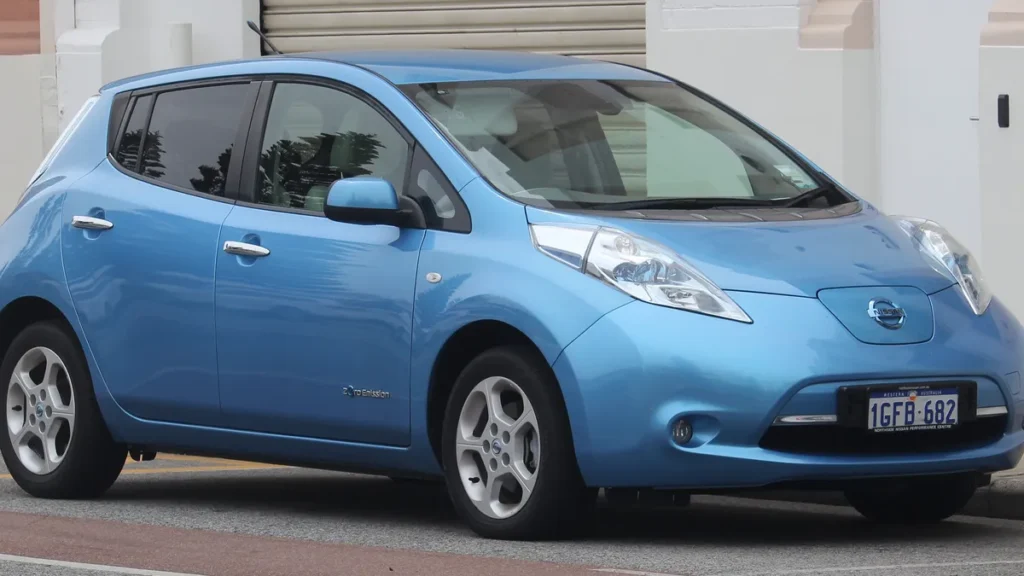
The cheapest early Bolts also appear here. Listing data puts their low end near $8,000, but most sit higher. If a car at this price looks too good, ask why. High mileage, a weak battery report, or missing records are the usual reasons.
Before you pay, get the battery-health evidence in writing. A dashboard range estimate moves with recent driving and weather; it is not a battery test. Ask for a manufacturer or qualified diagnostic report. Our batteries explained guide explains state of health and why a bigger kWh number alone does not settle the question.
Under $15k: more range, same battery-health rule
The $15k band is where the second-generation LEAF becomes practical. A 2018–2020 LEAF with the 40 kWh battery was rated at 149 EPA miles when new, and listing averages put the LEAF near $15,600 in January 2026 data. A 2017–2019 Bolt EV also falls here, with a 238-mile EPA rating when new and a larger, liquid-cooled battery than the LEAF.
The LEAF’s trade-off is its battery and its plug. Its packs are air-cooled rather than liquid-cooled, so heat and frequent fast charging can age them faster. For DC fast charging, those LEAFs use CHAdeMO, so check CHAdeMO availability on your actual routes before you buy. The Bolt uses CCS instead and charges at about 55 kW at most, which makes road trips slower even though its range is longer.
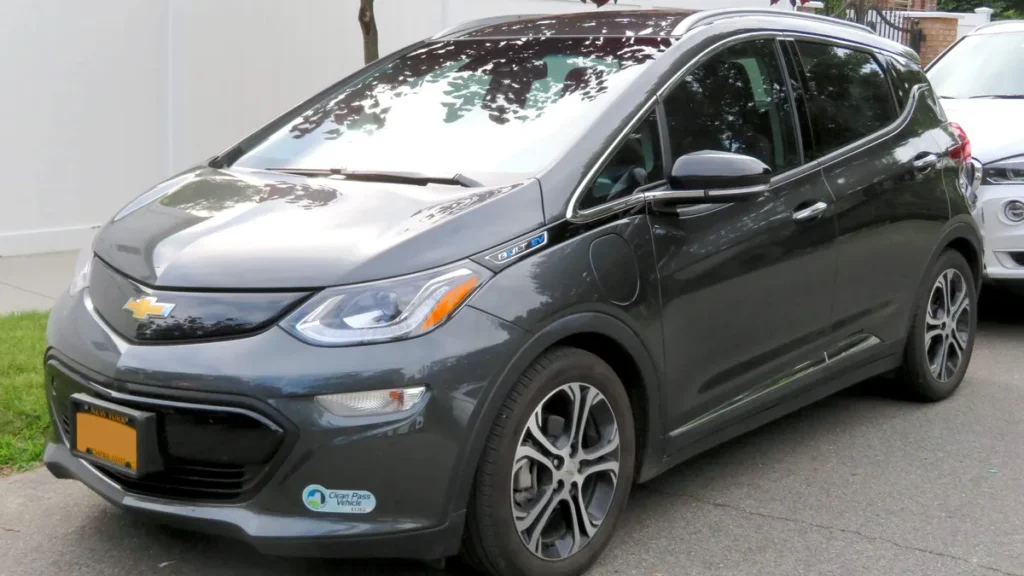
If you drive 30 miles a day and charge at home, a $13,000–$15,000 LEAF or Bolt can be a sound local car. If you need highway range in winter, its usable range may not match the EPA figure on the window sticker. Test the car on a route like your commute, with the heating or cooling on, before you decide.
Under $20k: the best used ev under 20k sweet spot, Bolt, LEAF Plus, Kona, Niro
This is the strongest value in the used market. A 2020–2023 Chevrolet Bolt EV was rated at 259 EPA miles when new. The Bolt EV model overall had a median asking price of $17,990 in Recurrent’s Q4 2026 report. That median covers all model years in Recurrent’s June–September 2026 listing sample. The Bolt was also the fastest-selling used EV in that data, at a median of 13 days. The Bolt EUV, the slightly larger version, was rated at 247 EPA miles.
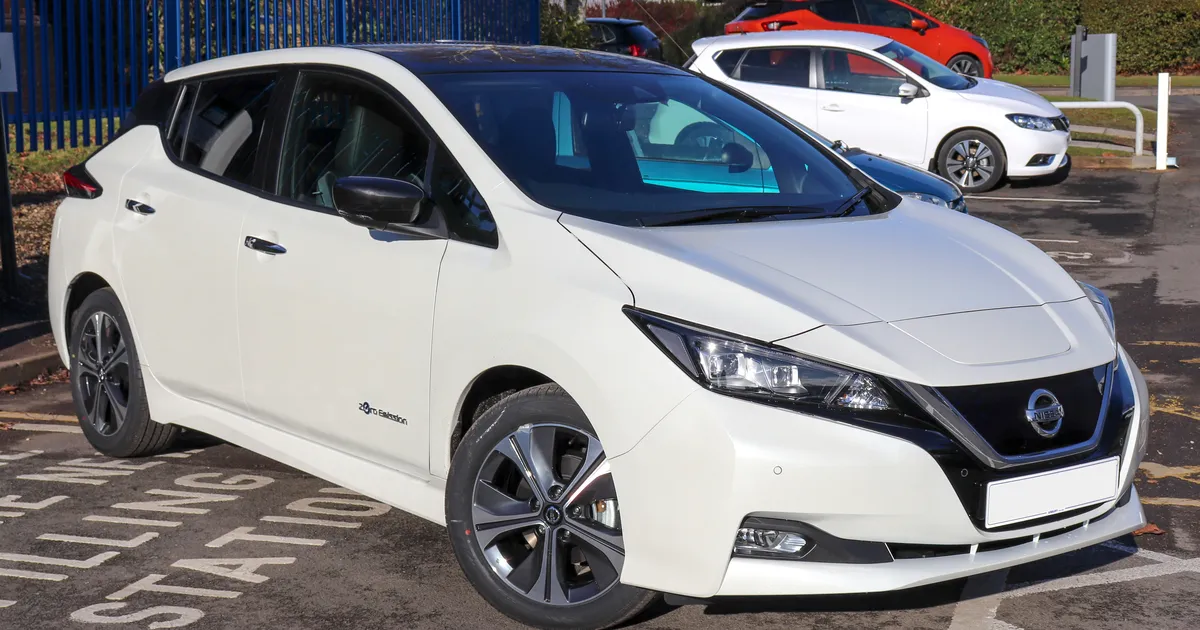
The LEAF Plus, with the 62 kWh battery, was rated at 212–226 EPA miles depending on trim. It is the LEAF to look for if you need more than local range. The Hyundai Kona Electric was rated at 258 EPA miles, and the Kia Niro EV at 239 EPA miles. Both are small crossovers with CCS fast charging. Both sit near $20,000 in January 2026 averages: the Kona at about $19,678 and the Niro EV at about $20,024.
Choose by what you will actually do. Pick the Bolt for the most range for the money if you mostly charge at home. Pick the 2019–2025 LEAF Plus if the price is lower and your routes have CHAdeMO where you need it. Pick the Kona or Niro EV if you want a crossover body and CCS charging, and you will pay near the top of the band for a cleaner car.
Every car in this band needs the same three checks: run the VIN through the NHTSA recall lookup and ask for paperwork on any completed work; confirm what battery warranty remains, when it started, and whether it transfers to you; and compare the written out-the-door price, not the listing price and not the monthly payment. Our best used EV guide walks through the battery, warranty, and inspection sequence for these exact cars. Use it as the checklist for any car in this band.
Under $30k: newer cars, faster charging, and the Model 3 / IONIQ 5 choice
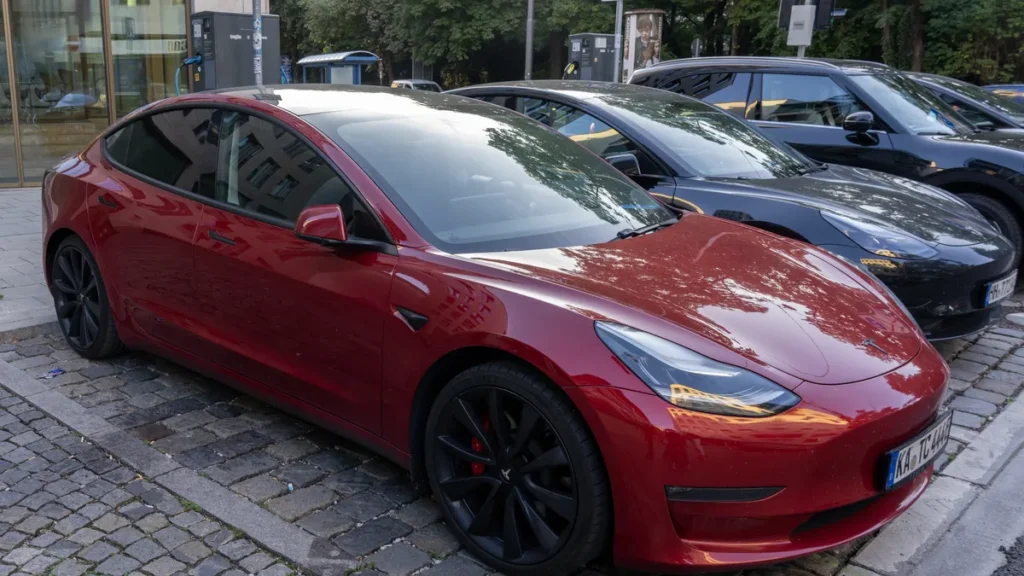
At $30k you are buying a newer car, not just a bigger battery. A 2023 Tesla Model 3 had a median asking price of $28,595 in a November 9, 2026 snapshot of 1,676 U.S. dealer listings. The middle half of listings sat at $26,379–$30,999. That median covers all 2023 Model 3 trims, not only Rear-Wheel Drive. See the VinAssessment 2023 Model 3 price snapshot. The Rear-Wheel Drive trim’s EPA rating is 272 miles. A 2021–2023 Model 3 in the $23,000–$28,000 range is the usual way into this band.
The Hyundai IONIQ 5 and Kia EV6 are the non-Tesla choice here. A 2023–2024 IONIQ 5 typically listed at $24,000–$29,000 in June 2026 data, with EPA range of 220–303 miles depending on configuration; the Long Range rear-wheel-drive version is the 303-mile car. The EV6 shares the platform and its fast-charging hardware and tracks the IONIQ 5 on price. The IONIQ 6 sedan is often cheaper for similar range, at $22,000–$27,000, and a 2020 Model Y averaged about $26,363 in September 2026 data.
What you are paying for is charging speed and age, not just range. The IONIQ 5 and EV6 add miles much faster at a compatible DC fast charger than a Bolt can, which changes a road trip even when the EPA figures look close. The Model 3’s advantage is route charging access; check the exact car’s access and any enrollment step before you assume a station will work for you.

What changes the answer: battery, recall, connector, and name changes
The Bolt recall is a paperwork question, not a reason to skip the car
General Motors recalled nearly every Bolt EV built from 2017 to 2022, plus the 2022 Bolt EUV, over a high-voltage battery defect. Some cars received a full replacement pack or new modules, and replacement packs carried a fresh 8-year/100,000-mile battery warranty from installation; others received diagnostic software instead. A Bolt with a documented replacement pack can be a better buy, but only if the paperwork proves which fix that car had. Run the VIN through the NHTSA recall lookup, ask for the repair records, and confirm the warranty start date with a dealer using the VIN.
The LEAF’s connector and cooling decide its use
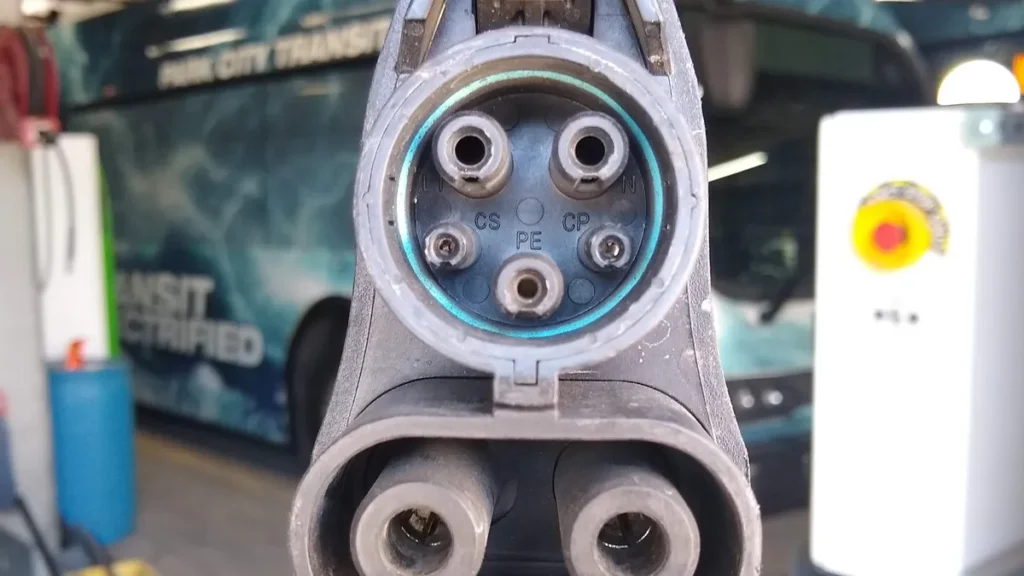
A 2025-or-earlier LEAF is the only car in these bands that uses CHAdeMO for DC fast charging, and its battery is air-cooled. The redesigned 2026 U.S. LEAF uses NACS for DC fast charging instead, so the CHAdeMO check below applies to the 2011–2025 cars in this guide, not to a 2026 LEAF. Neither fact makes it a bad car; both limit where it fits. If your routes have CHAdeMO stations and you charge at home, a 2019–2025 LEAF Plus can be good value. If your regular route depends on CCS or NACS fast chargers, the same car will frustrate you.
Names and model years matter more than badges
A 2025 or earlier LEAF is not the redesigned 2026 LEAF, and its EPA range and charging do not transfer to the new car. A used “Niro EV” is battery-electric; a Niro Hybrid or plug-in hybrid is a different powertrain. Check the model year, trim, battery size, and inlet on the exact car, and match the VIN to the listing, before you compare prices.
Battery chemistry is not the same as battery shape
You may see chemistry labels such as LFP or NMC, and formats such as cylindrical, prismatic, or pouch. Chemistry describes what the cells are made of; format describes their shape. One does not determine the other, so do not choose a car because a label sounds better. For a used buy, the questions that matter are the battery’s health report, its warranty, and its thermal management. Our lithium battery guide explains LFP, NMC, and NCA in more detail.
Charging and total cost: the price on the listing is not the price you pay
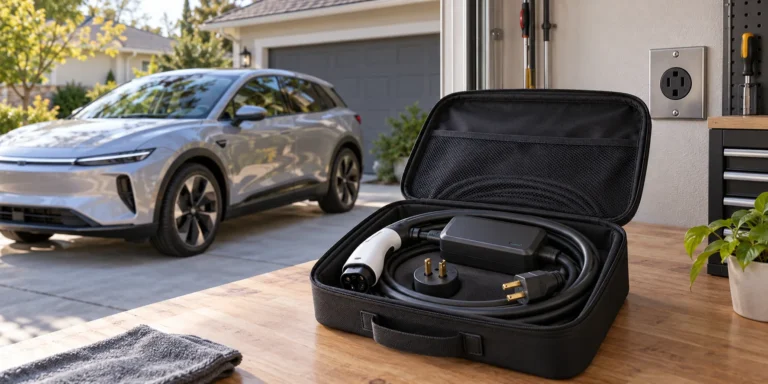
Start with where the car will sit overnight. If you can charge at home, a short-range car becomes far more useful. Our home charging guide helps you work out whether Level 1 (120-volt) charging covers your daily miles or whether Level 2 (240-volt) equipment is worth paying for. Have a qualified electrician assess any new circuit first.
Then add up the total cost for each candidate: purchase price, taxes and dealer fees, an insurance quote, likely tire or repair costs, and any home-charging work. Estimate energy cost from your own electricity rate and the car’s efficiency. A cheaper older car with poor battery evidence or costly near-term work can cost more to own than a better-documented example that costs $3,000 more on the listing.
Do not subtract a federal used-EV tax credit from a 2026 purchase. The IRS says the previously owned clean vehicle credit is not available for vehicles acquired after September 30, 2025. That credit was worth 30% of the sale price, up to $4,000, for a qualifying car bought from a licensed dealer for $25,000 or less. It applied only to vehicles acquired on or before that date, shown by a binding written contract and a payment made by then. State, local, or utility programs may differ and can change; verify any specific current offer with its administrator before you sign, and do not let a listing’s “after credit” price decide the purchase.
Which band fits the trips you already take?
Illustrative example: Take one driver, one routine, and three budgets. She drives 40 miles on most weekdays, takes a 210-mile highway trip every other month, and can charge at home overnight. She wants to arrive with at least 20% charge left.
Assumptions, in plain sight: She leaves at 90% and plans to arrive at 20%, so she budgets 70% of the battery. EPA figures are new-car ratings for the exact trim named; a used battery holds less, and cold, speed, and load reduce the result further. These are planning numbers, not predictions. Our EV range guide explains how speed, weather and load change the miles you get from a charge. The $28k Model 3 figure in the table is the all-trims 2023 median; the 272-mile EPA figure is the Rear-Wheel Drive trim.
| Candidate (band) | EPA range when new | 70% of that range | What the 210-mile trip looks like |
|---|---|---|---|
| 2018–2020 LEAF 40 kWh (about $15k) | 149 mi | About 104 mi | Needs two charging stops, and both must have CHAdeMO. A long day. |
| 2020–2023 Bolt EV (about $18k, in the $20k band) | 259 mi | About 181 mi | Needs one planned stop, plus a backup. The 210-mile trip is close to the planning limit. |
| 2023 Model 3 RWD (about $28k, in the $30k band) | 272 mi | About 190 mi | Needs one planned stop, with a wider choice of chargers. |
| IONIQ 5 Long Range RWD (about $28k, in the $30k band) | 303 mi | About 212 mi | Just covers the trip on paper. Still plan a backup stop, because winter or speed can erase the margin. |
Now run the same numbers for the weekday, where the difference disappears. Forty miles is 27% of a 149-mile LEAF, 15% of a 259-mile Bolt, and 13% of a 303-mile IONIQ 5. If the car charges at home overnight, all four cover the weekday easily. The extra money in the $30k band is buying the highway trip: fewer stops, faster charging, and a newer car with more warranty left.
So ask the question in the right order. First, can the cheapest car cover your weekday with a comfortable reserve, after battery age? If yes, the $15k car may be the right buy, and the money you save can cover home charging, tires, or an inspection. If the highway trip matters, compare the $20k and $30k cars on that trip, with a stop planned, a backup named, and the exact car’s charging hardware confirmed, before you pay for range you will only use six times a year.
Where to start with the best used ev under 20k
Start with the $20k band if your driving mixes weekdays and the occasional highway trip. A 2020–2023 Bolt EV, a LEAF Plus, a Kona Electric, or a Niro EV will cover most U.S. routines, and the checks in this guide will tell you whether the individual car in front of you is the good one. Step down to $15k if your driving is local and you can charge at home; step up to $30k if the highway trip, the charging speed, or the newer warranty is what you are paying for. Whichever band you choose, the best used ev under 20k is the one whose battery report, VIN history, warranty, connector, and out-the-door price all check out on the same car, not the one with the lowest listing price.
How we checked this guide
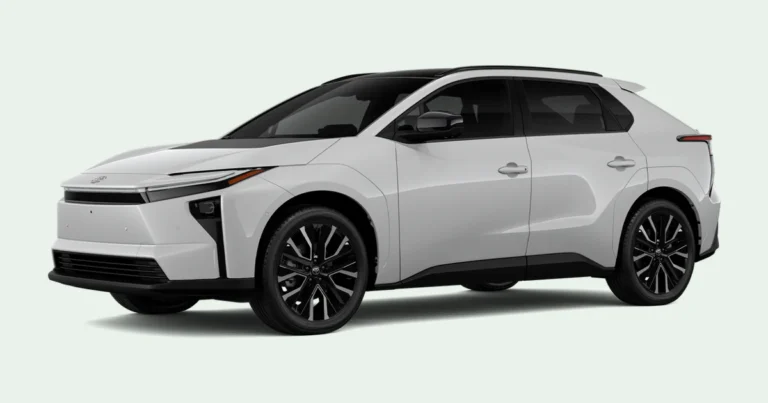
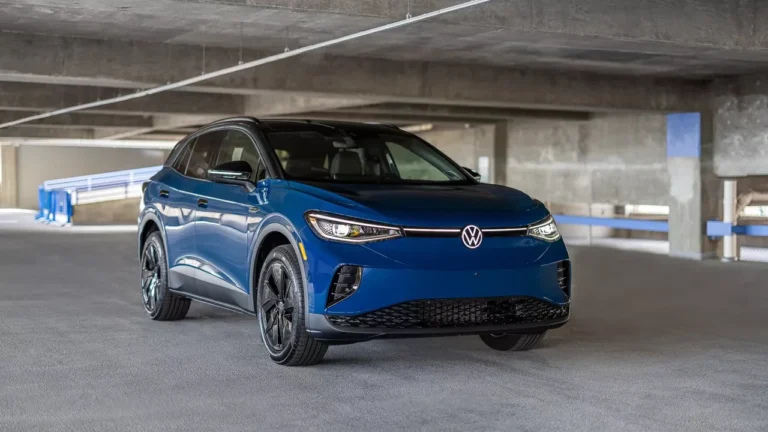
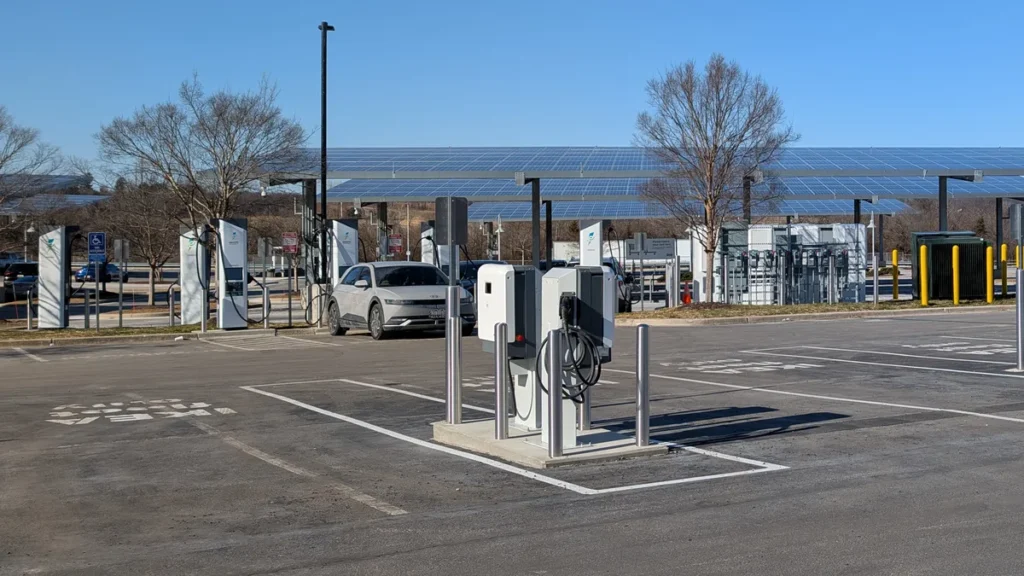
By Sam Wilson, EV Palace’s editorial pen name. This guide was prepared with AI assistance from U.S. listing data (Recurrent, iSeeCars, Cox Automotive), EPA/FuelEconomy.gov ratings, IRS guidance, FTC used-car guidance, and NHTSA recall information, plus the EVPalace used-EV pillar. It is desk research; we did not test the vehicles, inspect any listing, or audit dealer stock. Prices are dated typical asking-price ranges, and they move with mileage, trim, condition, and region. The featured image is an illustrative image of generic used EVs, not a photograph of a specific listed car; the diagrams are original EVPalace graphics from EPA/FuelEconomy.gov figures.
Sources
- IRS. Used Clean Vehicle Credit: the previously owned clean vehicle credit is not available for vehicles acquired after Sept. 30, 2025. https://www.irs.gov/credits-deductions/used-clean-vehicle-credit
- U.S. EPA / DOE. FuelEconomy.gov: 2022 Chevrolet Bolt EV, EPA 259 miles. https://www.fueleconomy.gov/feg/Find.do?action=sbs&id=43955
- Chevrolet. 2022 Bolt EV and Bolt EUV specifications: EPA-estimated 259 miles (Bolt EV) and 247 miles (Bolt EUV). https://news.chevrolet.com/newsroom.detail.html/Pages/news/us/en/2021/feb/0214-boltev-bolteuv-specifications.html
- Recurrent. Used Electric Car Prices & Market Report, Q4 2026: Bolt EV median $17,990, June–September 2026 listings; average used-EV listing $37,441, August 2026 (Cox Automotive data). https://www.recurrentauto.com/research/used-electric-vehicle-buying-report
- iSeeCars (January 2026 averages, via secondary reporting). LEAF about $15,606; Kona Electric about $19,678; Niro EV about $20,024. https://www.goodgreeninc.com/affordable-used-evs.html
- VinAssessment. 2023 Tesla Model 3 median asking price $28,595, snapshot November 9, 2026, all trims. https://vinassessment.com/prices/tesla/model-3/2023
- Nissan. 2026 LEAF owner’s manual: the redesigned 2026 U.S. LEAF uses a NACS DC fast-charging port (with a separate J1772 AC port). https://www.nissanusa.com/content/dam/Nissan/us/manuals-and-guides/leaf/2026/2026-nissan-leaf-owner-manual.pdf
- EVPalace. Best Used EV pillar (L30): battery, warranty, and inspection checks. https://evpalace.com/best-used-ev/
- EVPalace. Connector guide: J1772, CCS, CHAdeMO, J3400 (NACS). https://evpalace.com/do-all-electric-cars-use-the-same-charger/
- EVPalace. Home charging guide. https://evpalace.com/charge-electric-car-home/
- EVPalace. EV batteries explained. https://evpalace.com/ev-batteries-explained/
- EVPalace. Lithium battery for electric car: LFP, NMC and NCA. https://evpalace.com/lithium-battery-for-electric-car/
Frequently asked questions
What is the best used ev under 20k right now?
For most U.S. buyers, a 2020–2023 Chevrolet Bolt EV, rated at 259 EPA miles when new. The Bolt EV model’s June–September 2026 median asking price was $17,990 across all model years in Recurrent’s listing sample.
Can I buy a good used EV for under $10,000?
Yes, for short local driving. Expect an older LEAF with 84–107 EPA miles when new, now less with age, or a cheapest early Bolt if you search patiently. Get the battery-health evidence in writing, and do not buy a $10k car for regular highway trips.
Is the federal used EV tax credit still available in 2026?
No, for vehicles acquired after September 30, 2025. The IRS says the previously owned clean vehicle credit is not available for those purchases. The narrow exception is a binding written contract and payment made on or before that date. Check state, local, or utility programs separately.
Should I worry about the Chevrolet Bolt battery recall?
Check the paperwork, not the headline. The recall covered 2017–2022 Bolt EVs and 2022 Bolt EUVs, and the fix depended on the car. Some received a replacement pack with a fresh warranty, others received software. Run the VIN through the NHTSA recall lookup and ask for the repair records for that car.
Does a used Nissan LEAF work for road trips?
It depends on the year, the battery, and your route. A LEAF Plus has more range than a 40 kWh LEAF, but every 2025-or-earlier LEAF uses CHAdeMO for DC fast charging. The redesigned 2026 U.S. LEAF uses NACS instead, so check CHAdeMO availability on your actual routes. For frequent highway trips, a CCS or NACS car with faster charging is usually a better fit.