What Does Hybrid Car Mean? HEV and PHEV Explained
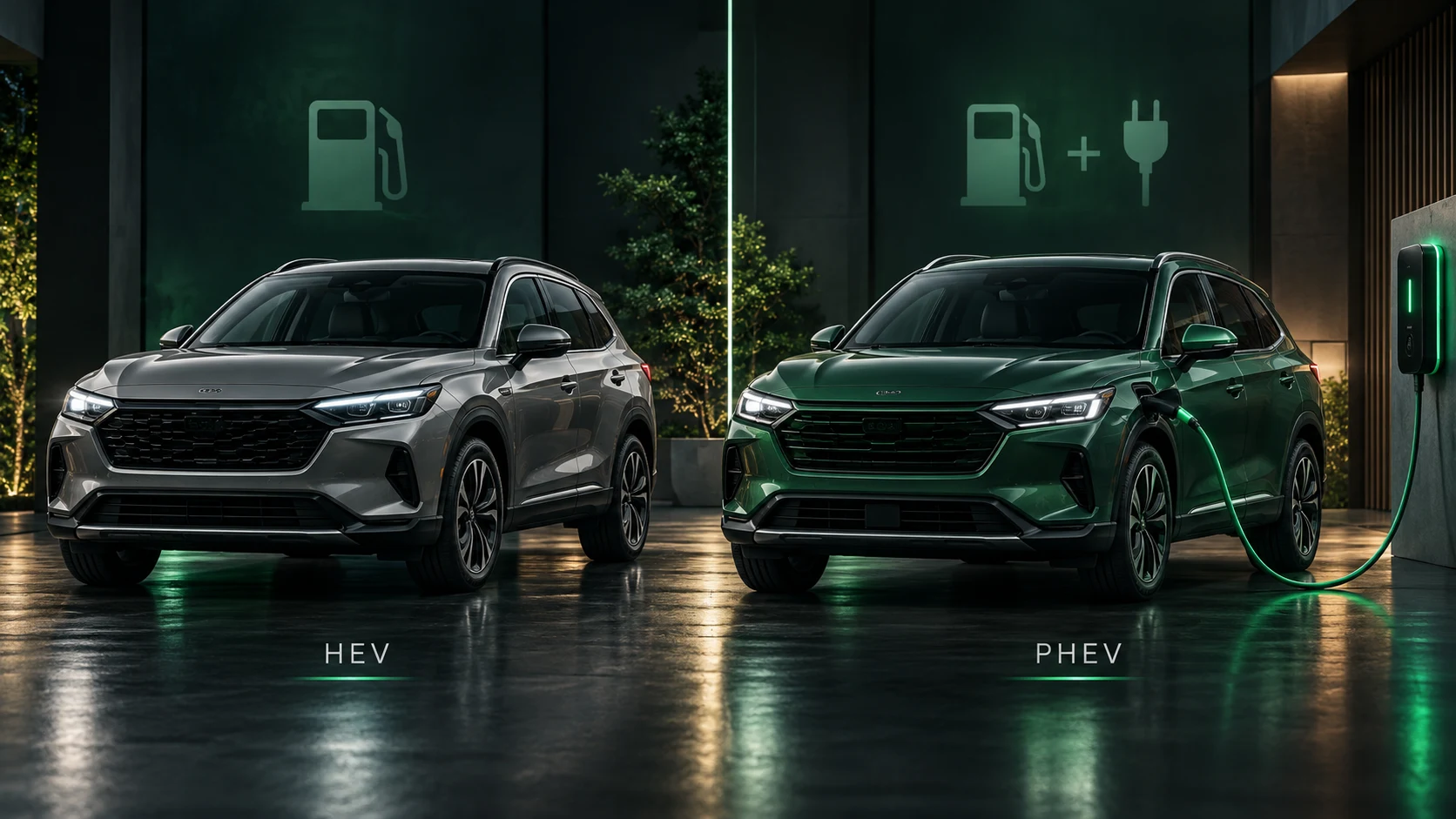
A hybrid car combines an internal-combustion engine with one or more electric motors. A conventional hybrid, also called an HEV, charges its battery onboard through the engine and regenerative braking. A plug-in hybrid, or PHEV, can also charge from an external electricity supply. Both retain an engine; a battery-electric car does not.
The useful question when reading a car listing is whether it has a charge port. “Hybrid” alone does not settle how you will refuel, how much electric driving you can do or whether home charging matters. This guide explains the labels for U.S. buyers, then shows what to check before comparing individual cars. For the broader electric-car vocabulary, see what EV and BEV stand for.
Conventional hybrid: gasoline with electric assistance
A conventional hybrid electric vehicle uses an engine and an electric drive system together. The vehicle controls their operation as driving conditions change. The U.S. Department of Energy’s hybrid overview explains the basic arrangement. A hybrid badge does not describe the exact drivetrain layout, so specifications still matter.
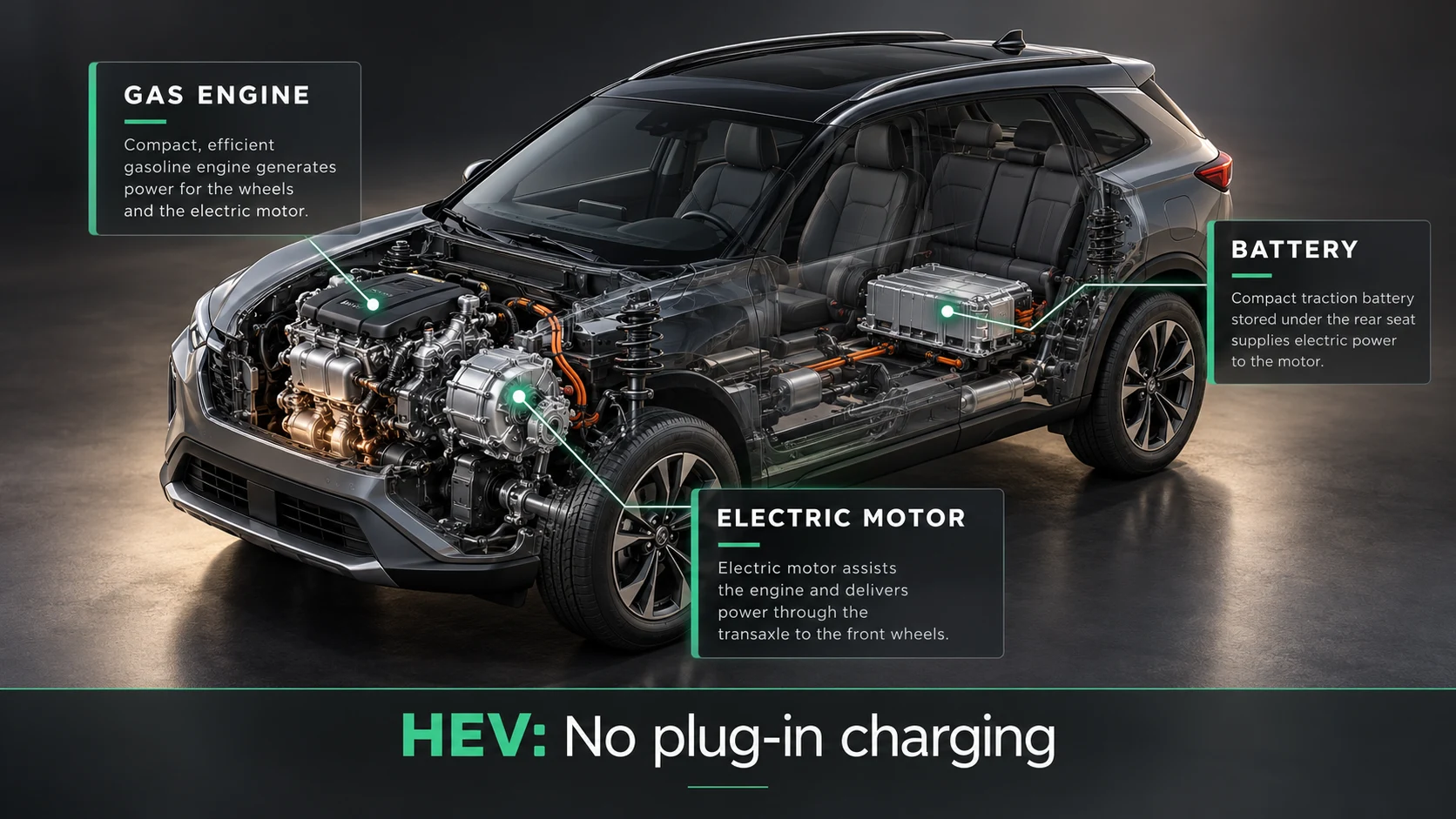
An HEV does not need a wall charger. You refuel it with gasoline and the vehicle manages its battery onboard. Its electric motor can assist the engine, but do not assume an ordinary hybrid provides a separately rated electric-only commute. Ask for the exact model’s fuel-economy rating and operating description.
Plug-in hybrid: a charge port and an engine
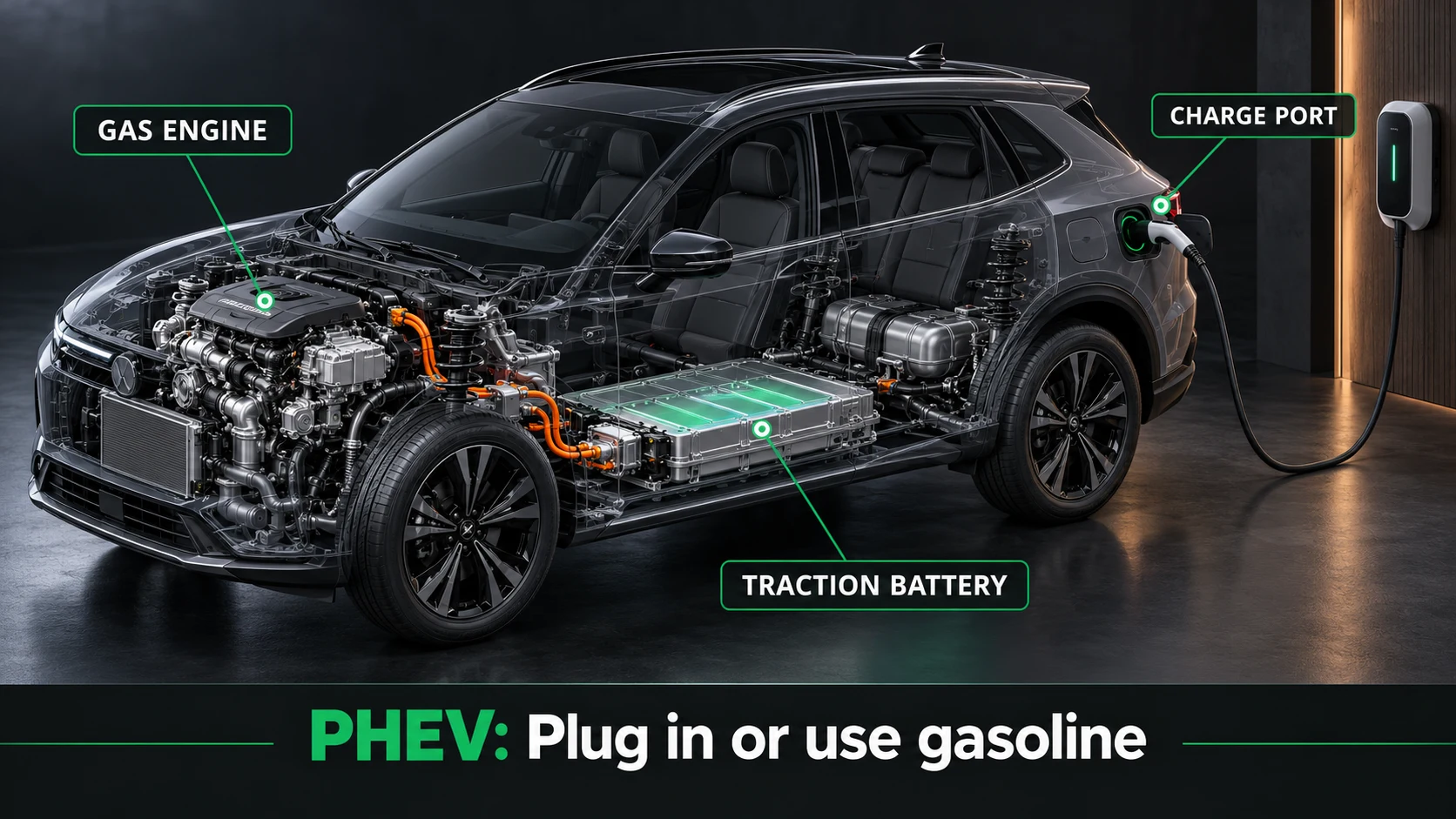
A plug-in hybrid adds the option of taking electricity from an external source. Its battery and electric drive can cover some travel without gasoline, while its engine provides another energy source. DOE’s PHEV guide describes this combination. Electric-only range, engine behavior and charging capability vary by vehicle.
Separate the electric-only range from the combined range with a charged battery and fuel in the tank. The combined figure cannot tell you whether a normal workday can be completed on electricity. Compare your round-trip distance with the specific vehicle’s rated electric range and leave room for conditions that increase energy use.
Charging access is central to the PHEV decision. Before paying extra for a plug-in model, work out where and how often you would plug it in. Our home charging guide covers parking, equipment and electrical assessment. Check the car’s manual before assuming it supports any particular public charging option.
Hybrid, plug-in hybrid and electric car compared
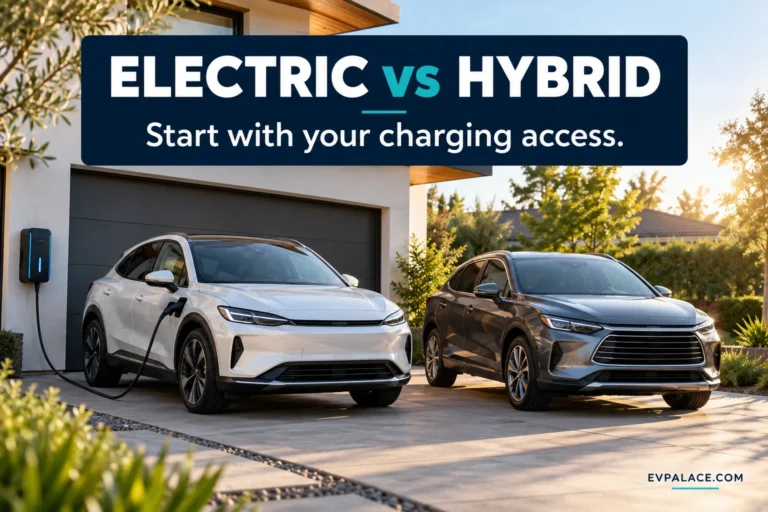
The three labels describe different ownership routines. A conventional HEV uses gasoline and manages its battery without an external charger. A PHEV uses gasoline and can take external electricity. A BEV runs on stored electricity and needs a dependable way to replenish it. A plug-in hybrid is not the same as a battery-electric vehicle simply because both have charge ports.
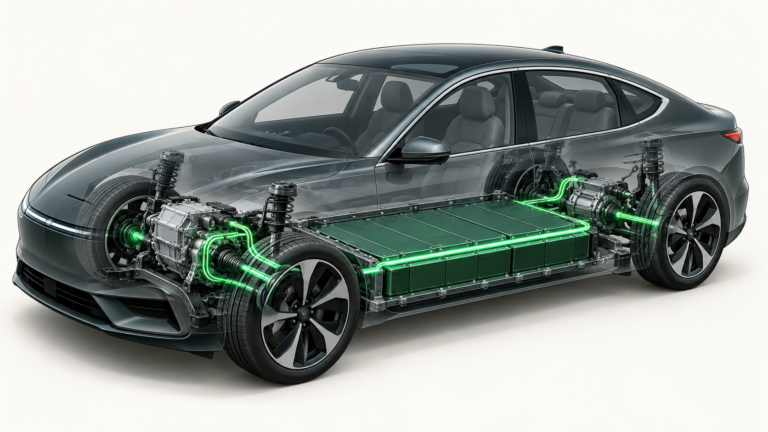
For a full EV’s power flow, read how electric cars work. For charging equipment, our charging-level comparison explains AC and DC charging. Confirm the exact vehicle’s capabilities rather than extending one car’s equipment options to every plug-in vehicle.
How does a hybrid battery charge?
In a conventional hybrid, the engine and regenerative braking replenish the battery. During deceleration, the electric drive can recover some energy that would otherwise be dissipated as heat. Recovery is limited, and friction brakes remain necessary. A hybrid does not create free energy or keep driving indefinitely without fuel.
A PHEV also accepts external electricity. DOE’s component guides for conventional hybrids and plug-in hybrids illustrate the distinction. Follow the maker’s instructions for charging and daily targets instead of applying a generic rule from another vehicle.
What does the hybrid label leave unanswered?
It does not tell you the purchase price, fuel economy, electric range, cargo space, towing rating or warranty coverage. Nor does it establish how the engine and motor divide the work. Two vehicles wearing similar badges can have different operating behavior. Read the specifications for the exact model year, trim and market.
Use a test drive to check the things you will live with daily: visibility, controls, seating, ride comfort and how braking feels. For a PHEV, ask how the display distinguishes electric range from gasoline range and how you set charging times. For an HEV, check its actual fuel-economy rating rather than treating the badge as a fixed savings claim.
Compare costs with the correct units
For a conventional hybrid, compare gasoline use in miles per gallon with the alternatives you are considering. For a PHEV, account for both purchased electricity and gasoline. A single attractive electric-efficiency number cannot represent a week that includes substantial engine operation.
Build a simple normal-week estimate. Write down miles driven, days you can charge and the trips likely to require gasoline. Then use your electricity tariff and local fuel price. Our electricity-use guide explains kWh and consumption units, but use the efficiency of the PHEV you are evaluating rather than borrowing a BEV example.
Include purchase price, finance, insurance, charging equipment where needed and expected resale value. Obtain actual quotes before deciding that one powertrain saves money. An assumed incentive should not be counted until its current availability and your eligibility have been verified.
What should you check on a used hybrid?
Identify whether the listing is for an HEV or PHEV first. Review service history, recall status, warranty terms and the condition of the specific car. Ask what battery-health information is available and have an appropriately qualified inspector assess the vehicle. Warranty length alone is not a battery-condition report.
For a plug-in model, confirm the charge port and charging equipment operate correctly and check what equipment is included in the sale. Separate displayed electric range from evidence of battery condition; the estimate can vary with recent use and conditions. Our battery guide introduces capacity and health terminology, although hybrid warranties and battery designs must be checked separately.
Which hybrid type suits your routine?
An HEV deserves consideration when you want electric assistance while retaining a gasoline refueling routine. A PHEV deserves consideration when dependable charging can cover useful daily travel and you also want an engine. Neither choice is automatically best: compare the actual vehicle, your parking and your longer trips.
Before making a shortlist, answer three questions: where will the car get energy, how far must it travel on a busy ordinary day, and what is the complete ownership bill? Those answers make the hybrid label useful. Keep comparisons between similar-sized vehicles with comparable equipment so the powertrain does not get credited for every difference.
Sources
- U.S. DOE AFDC: Hybrid electric vehicles
- U.S. DOE AFDC: Plug-in hybrid electric vehicles
- U.S. DOE AFDC: How hybrid cars work
- U.S. DOE AFDC: How plug-in hybrid cars work
Frequently asked questions
Does a hybrid car need to be plugged in?
A conventional HEV does not. A PHEV can be plugged in to use externally supplied electricity. Check which type the listing describes.
Does a hybrid car still use gasoline?
Yes, conventional hybrids and typical gasoline PHEVs retain an engine. A battery-electric car has a different powertrain and no gasoline engine.
Is a plug-in hybrid the same as an electric car?
A PHEV combines an electric drive with an engine. A BEV is fully electric. Compare electric-only range separately from a PHEV’s combined range.
Can regenerative braking charge a hybrid indefinitely?
No. It recovers some energy during slowing, but cannot recover all the energy used to drive. A conventional hybrid still needs fuel.
Is a hybrid always cheaper to own?
No. Compare the exact vehicle’s purchase price, energy use, insurance, servicing and resale assumptions. A PHEV’s electricity and gasoline mix depends on how you use and charge it.